
The Power of Mentorship: Bringing RNA Sequencing and Bioinformatics to Sarajevo
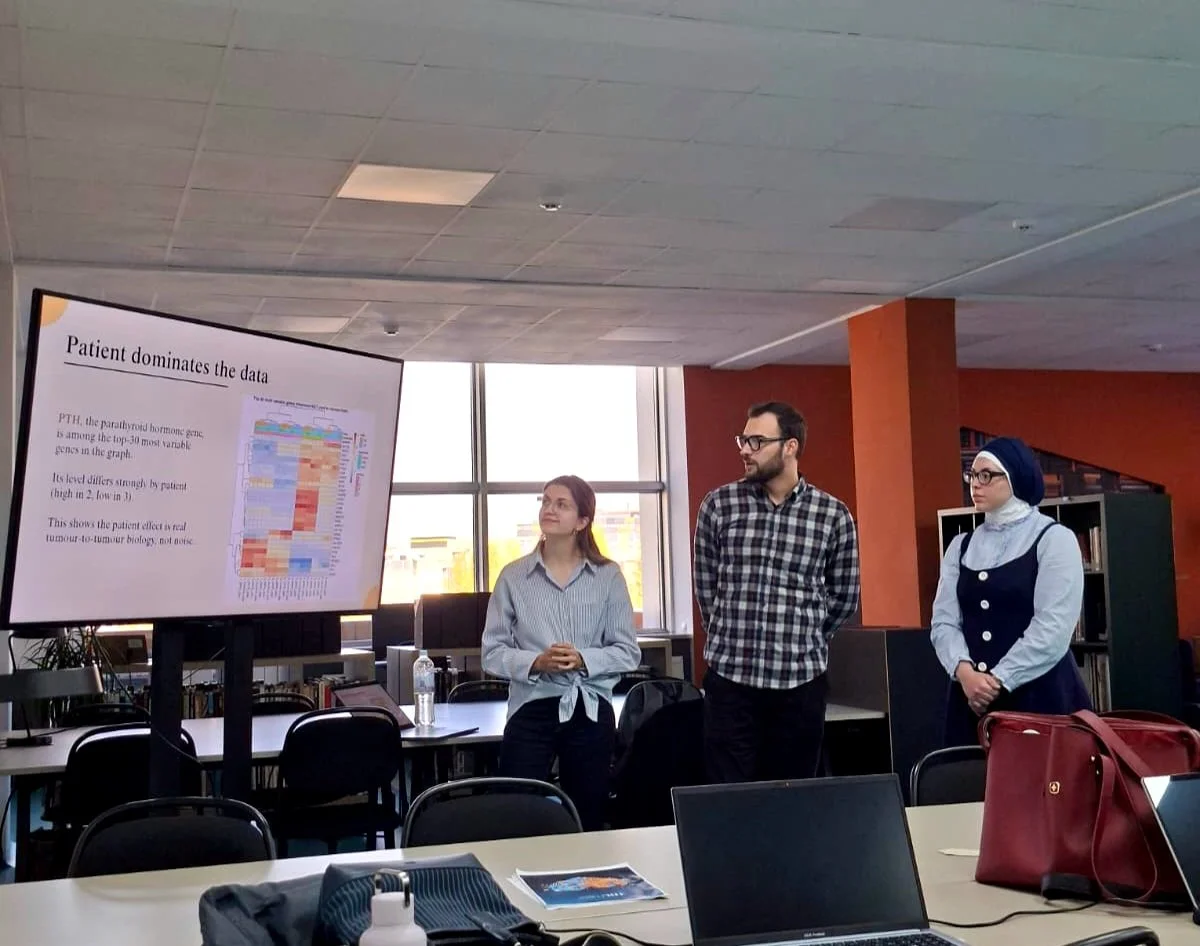
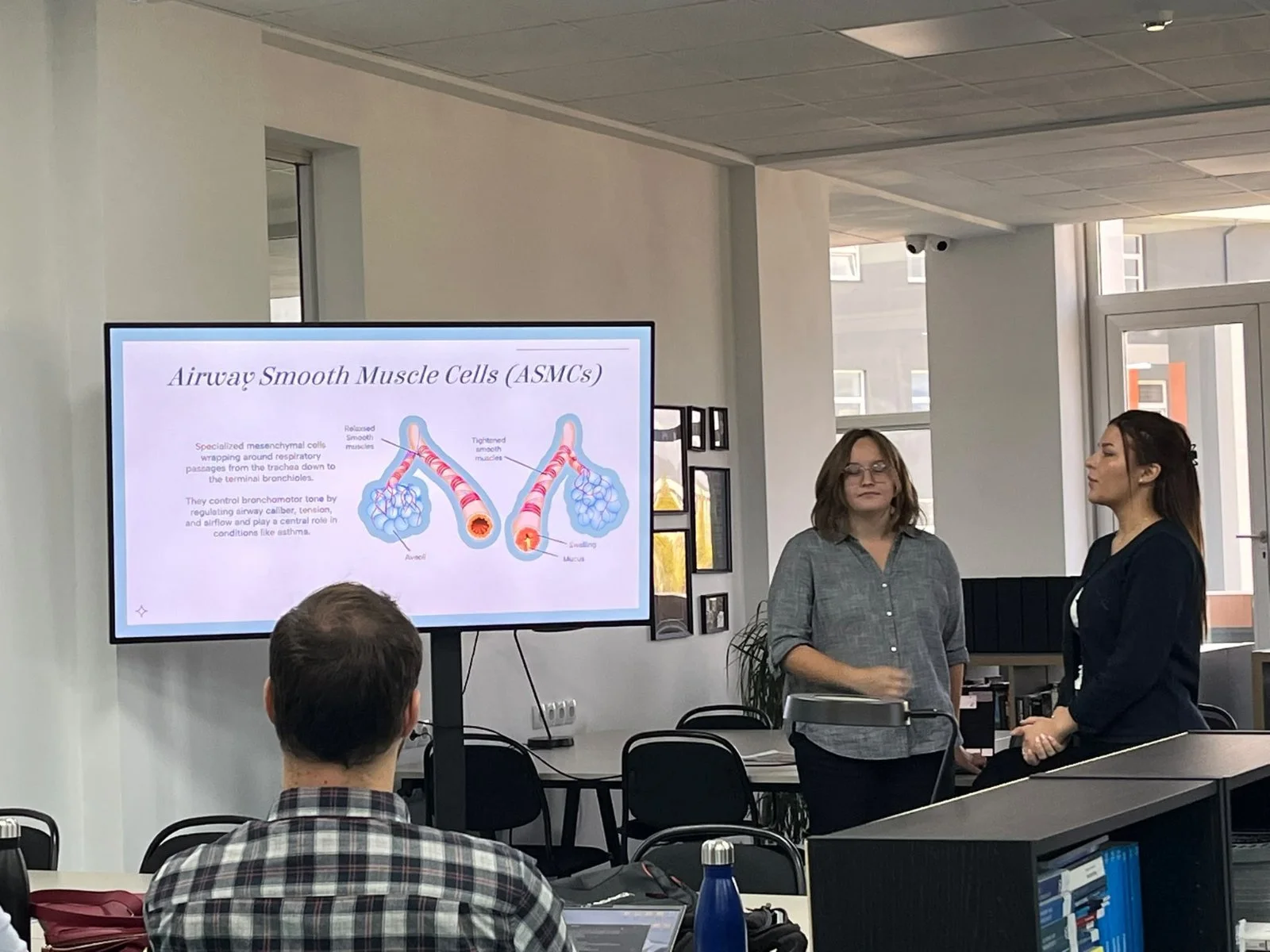
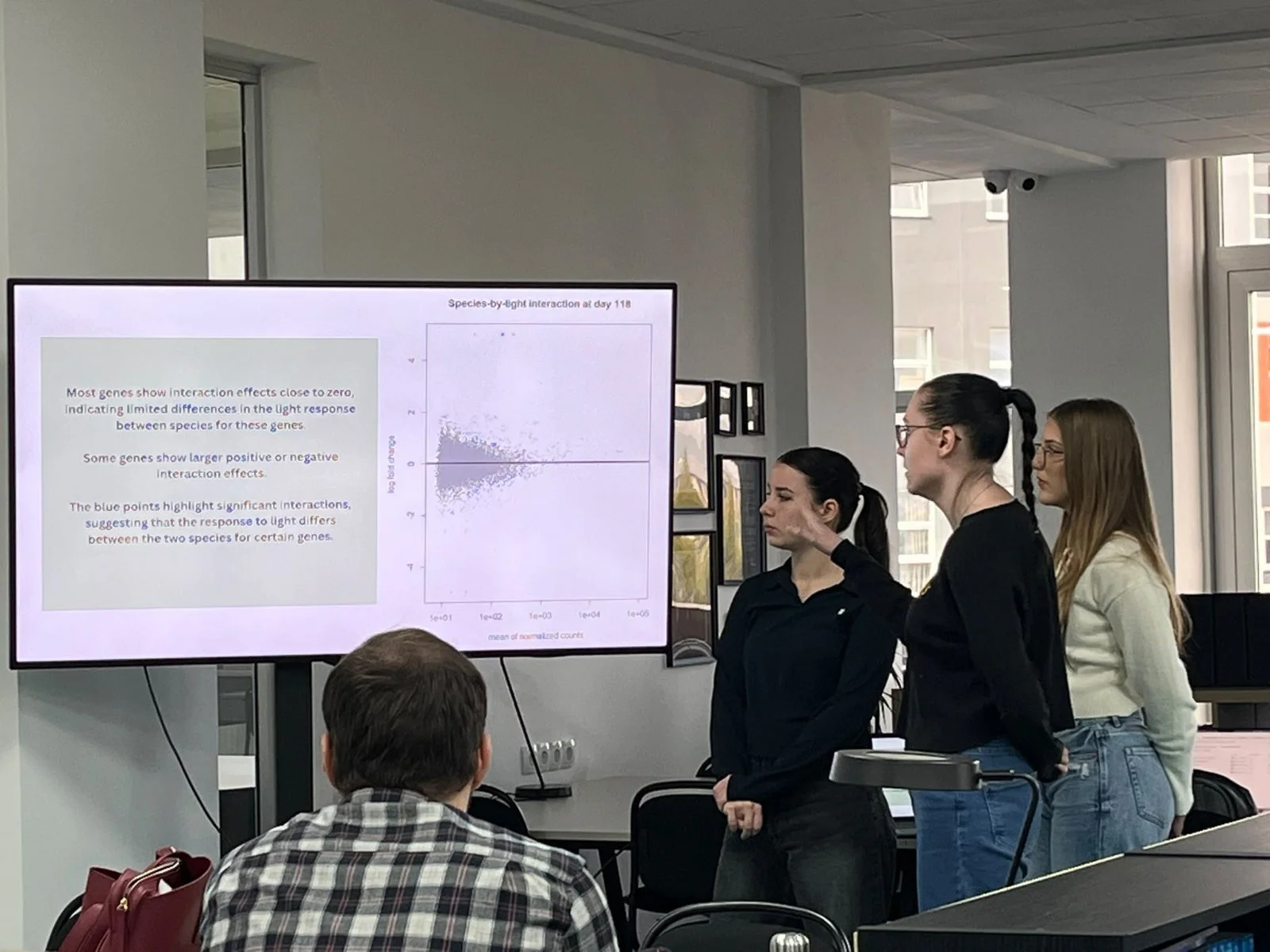
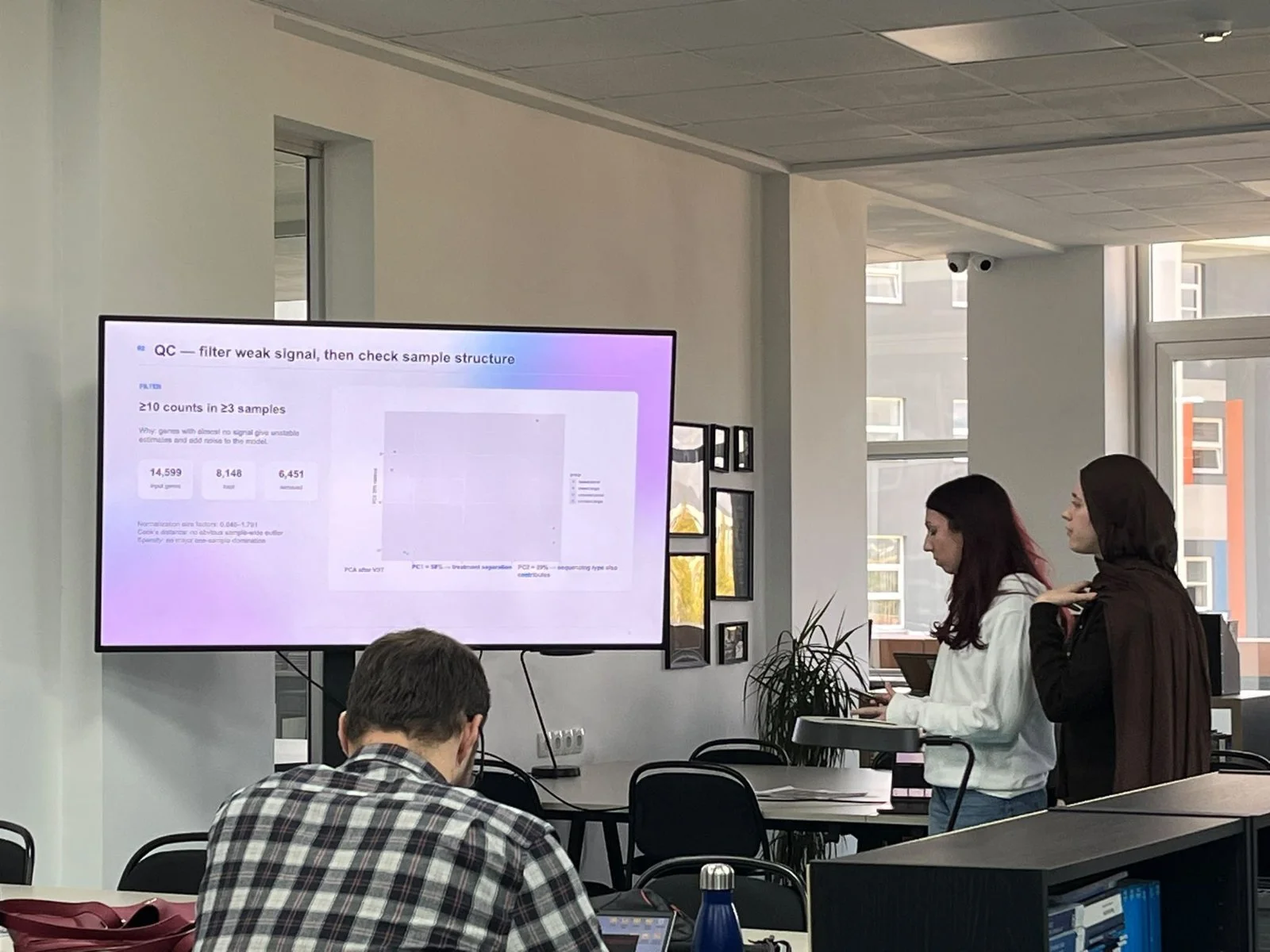
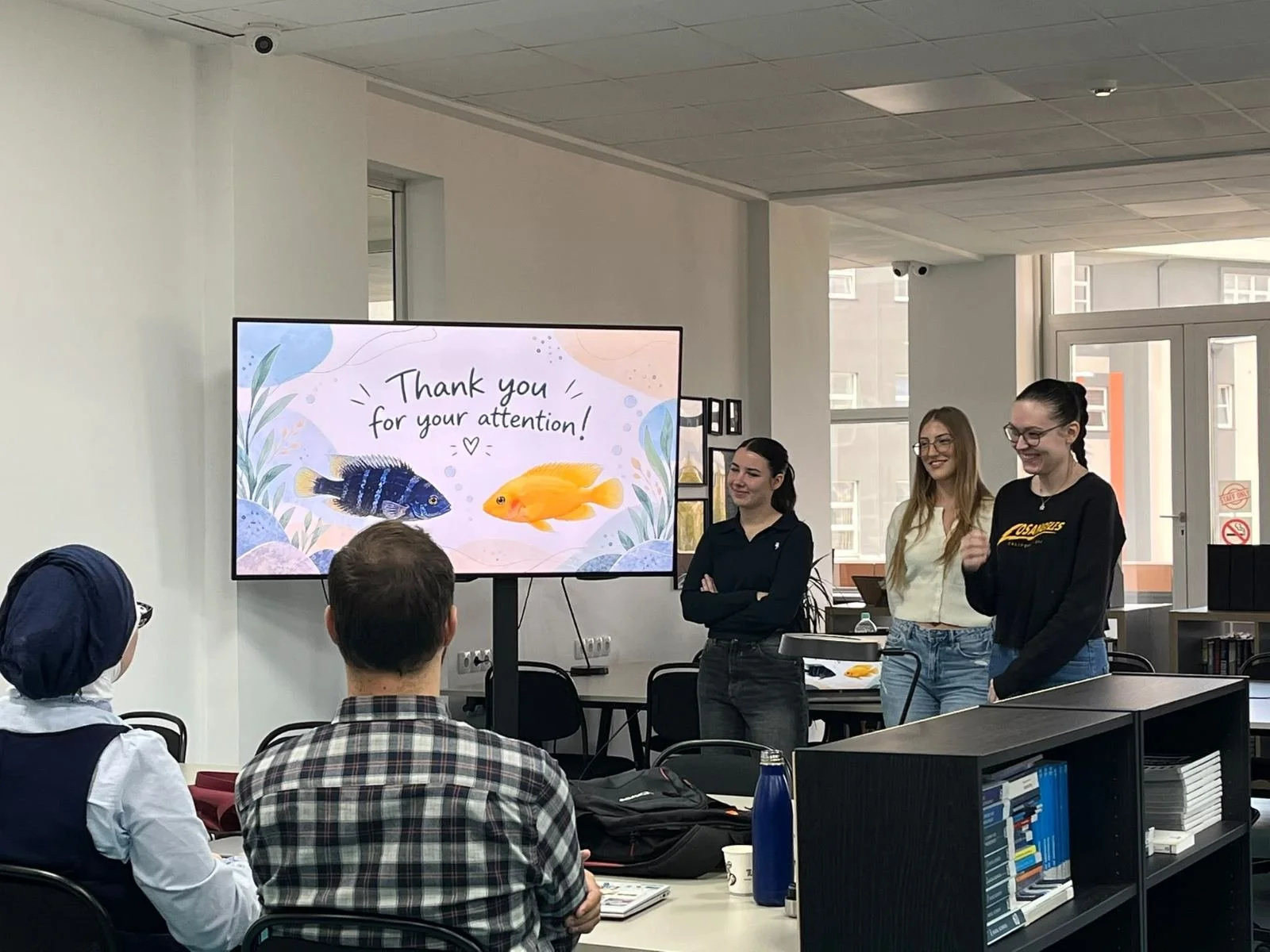
A mentoring relationship within the Bosnia & Herzegovina Futures Foundation (BHFF) grew into an interdisciplinary learning opportunity, bringing RNA sequencing, bioinformatics, and molecular biology to a group of BHFF scholars and alumni in Sarajevo. The workshop demonstrated how mentorship can extend beyond individual guidance to create opportunities for collective learning, scientific collaboration, and professional growth.
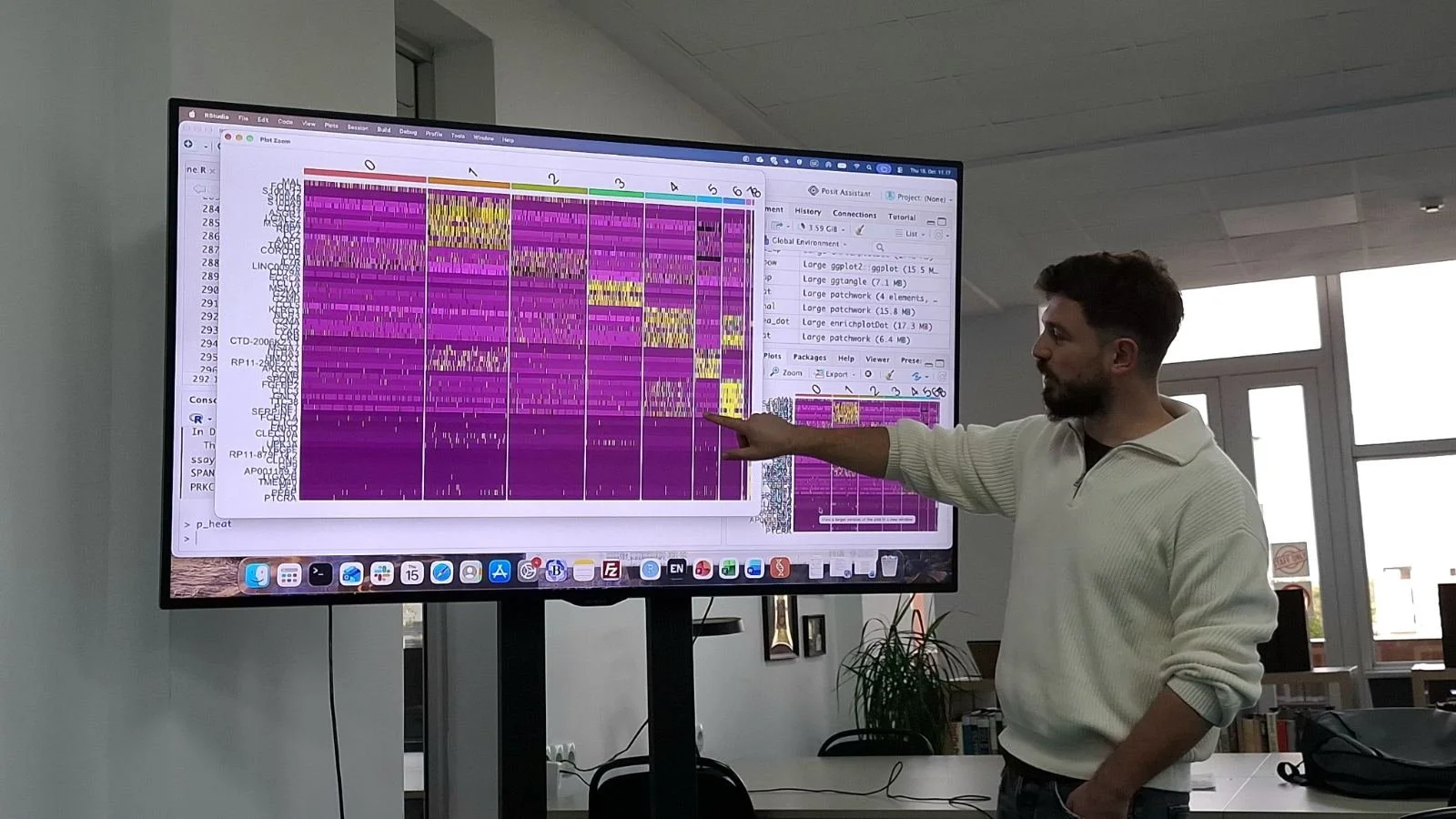
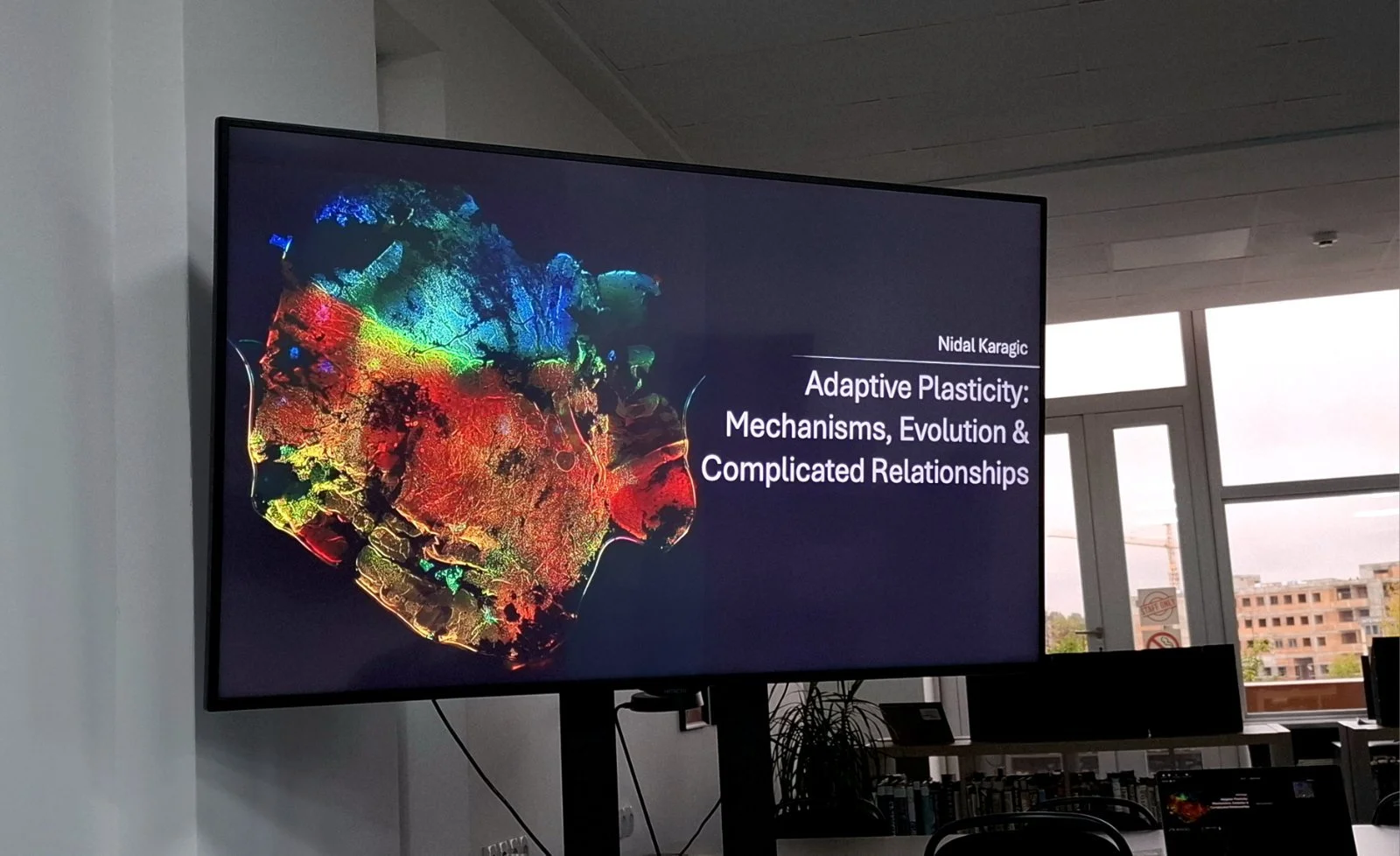
During the second week of October, BHFF scholars and alumni participated in an intensive RNA sequencing workshop led by Dr. Nidal Karagić, an evolutionary biologist and group leader at the Institute of Biotechnology at the University of Helsinki, Finland.
The workshop was organised by Asja Omerović, a BHFF Senior Fellow Scholar and Mentoring Team Lead, whose connection with Dr. Karagić originated through the Foundation's mentorship network. By building on this relationship, Asja helped bring specialised scientific expertise to Sarajevo and create a learning opportunity that extended beyond the original mentor-mentee connection.
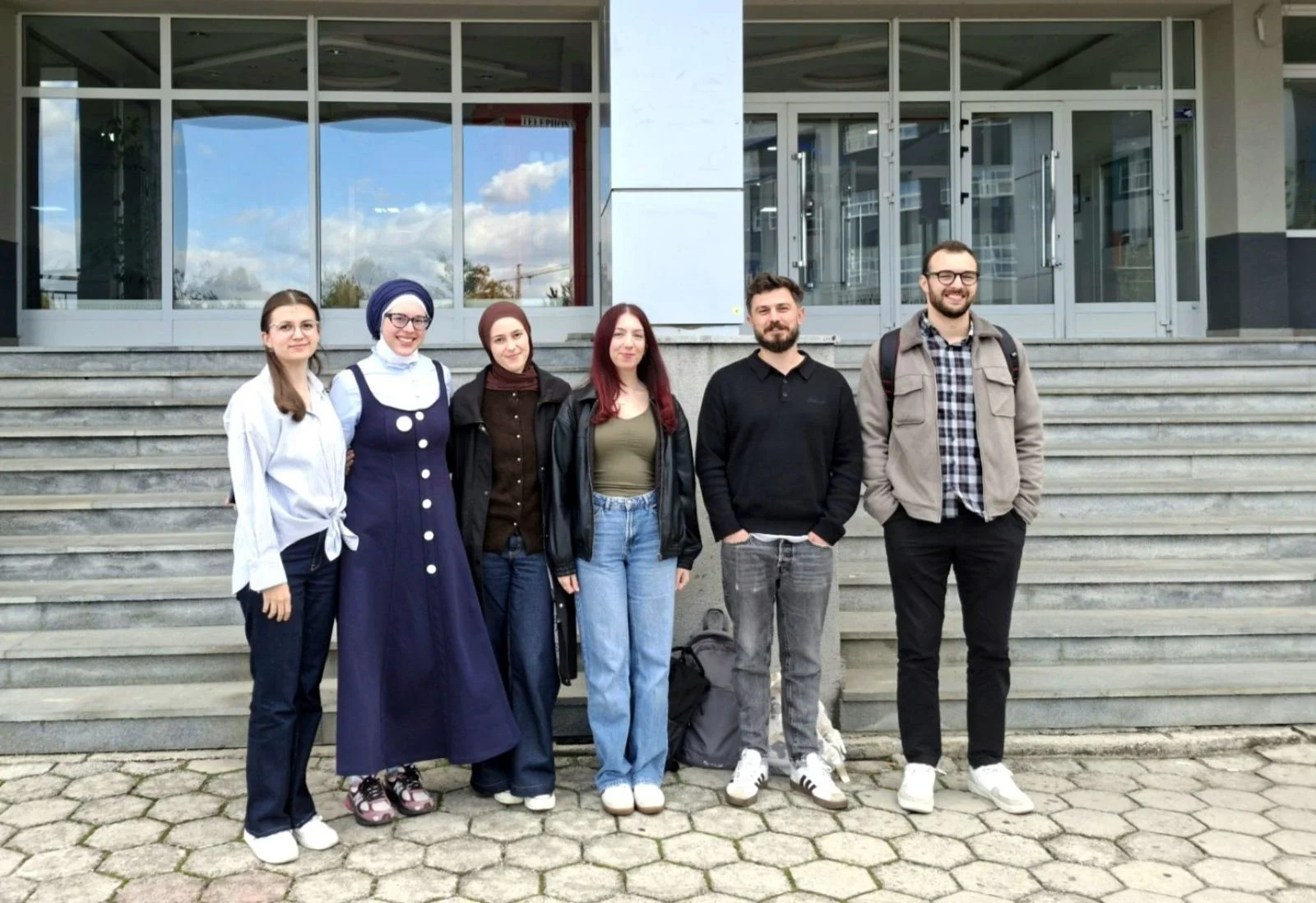
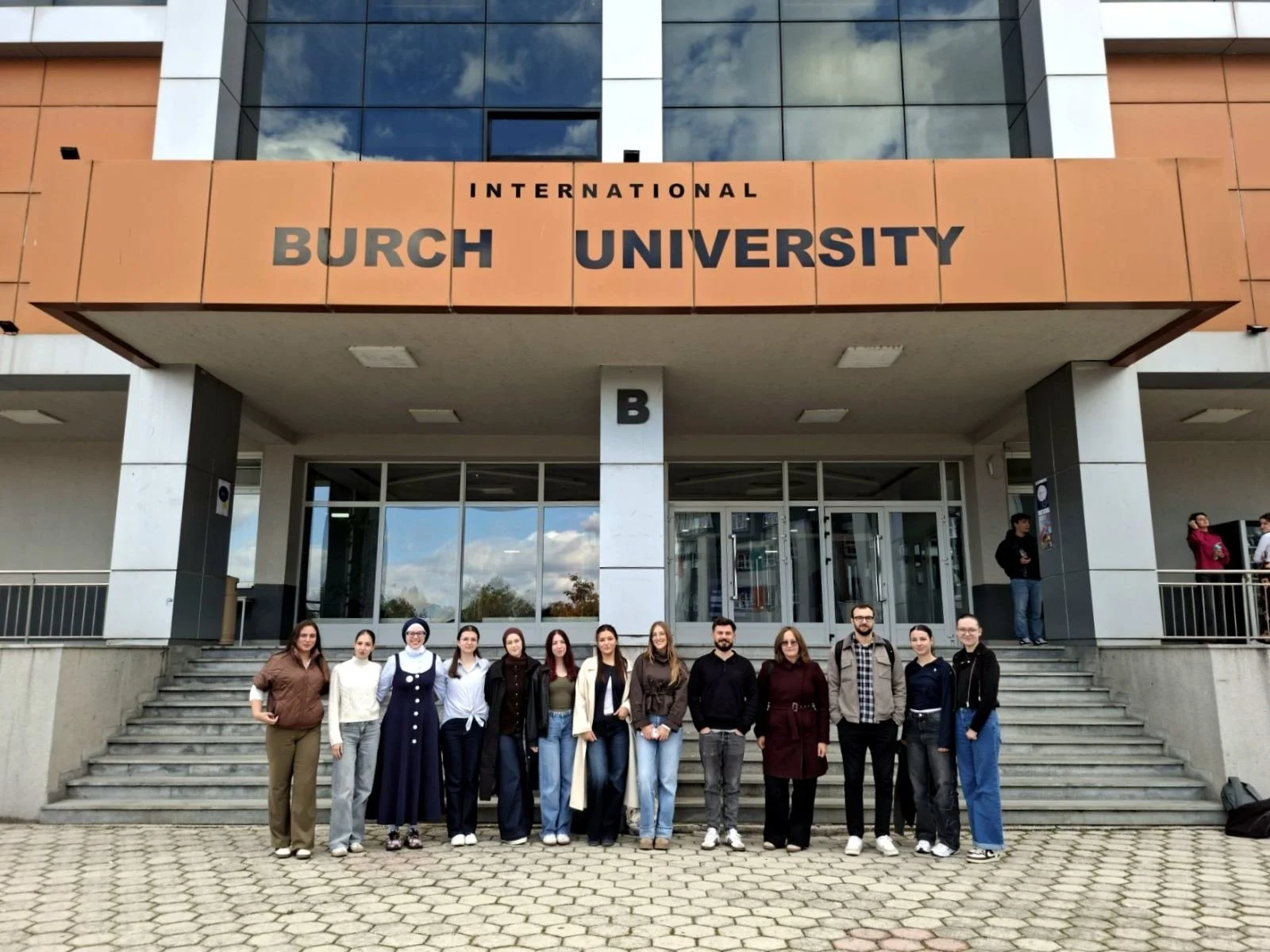
The participants included Senior Fellow Scholars Hajra Smajić, Nadija Velić, and Asja Omerović, alongside BHFF Alumni Melisa Musić and Tarik Čolić. Their participation reflected the Foundation's commitment to lifelong learning, interdisciplinary collaboration, and a community in which scholars and alumni continue to exchange knowledge and support one another's development.
When Mentorship Becomes an Opportunity for Others
Mentorship can be a catalyst for opportunities that reach far beyond an individual mentor-mentee relationship. The RNA sequencing workshop offered a practical example of this principle: a connection established through BHFF's mentoring network developed into a specialised educational experience for a wider group of scholars and alumni.
Asja Omerović's initiative demonstrated how the relationships built through mentorship can be transformed into tangible opportunities for others. Her role as Mentoring Team Lead further reflects the importance of creating an environment in which knowledge, professional connections, and learning opportunities are shared throughout the BHFF community.
By coordinating the workshop and bringing Dr. Karagić's expertise to Sarajevo, Asja helped bridge the gap between international scientific experience and emerging talent in Bosnia and Herzegovina.
This initiative also highlighted an important dimension of effective mentorship: its impact does not end with the immediate participants. When mentees take the initiative to share what they have gained, establish new connections, and create opportunities for their peers, mentorship becomes a multiplier of knowledge and professional growth.
Exploring the Science Behind RNA Sequencing
Dr. Karagić travelled from Helsinki to Sarajevo to share his scientific expertise and introduce participants to research methods used to investigate gene expression and the biological processes underlying different responses to environmental and experimental conditions.
His research on fish inhabiting the waters of Trinidad and Tobago provided a fascinating starting point for understanding how environmental factors, including water turbidity, can influence gene expression. By investigating how organisms respond to their surroundings, researchers can gain valuable insights into the complex relationships between environmental conditions and biological mechanisms.
For participants approaching RNA sequencing and R programming for the first time, the workshop offered an opportunity to move beyond theoretical knowledge and engage directly with scientific data.
The programme introduced participants to key stages of RNA sequencing workflows, including RNA isolation, complementary DNA synthesis, library preparation, and computational analysis of gene expression data using R.
Working with real research data also highlighted the importance of patience, problem-solving, and collaboration when navigating unfamiliar scientific and computational tools. For participants from different academic backgrounds, the learning process demonstrated that meaningful scientific progress often begins with the willingness to ask questions, embrace challenges, and learn from others.
Connecting Molecular Biology with Real-World Research and Clinical Applications
One of the most valuable aspects of the workshop was the opportunity to work with a real gene expression dataset and consider how laboratory findings might inform questions relevant to clinical medicine.
The participants investigated the effects of tamoxifen on cells associated with a benign parathyroid gland tumour. This practical exercise encouraged them to look beyond the computational process itself and consider the broader biological and clinical questions that can emerge from molecular research.
Could observations made in laboratory experiments lead to hypotheses about how a particular treatment affects other tissues? What additional evidence would be needed to investigate a possible relationship between a medication and changes in a different type of tumour? How could researchers move from gene expression data to questions that might eventually be explored through clinical studies?
These discussions highlighted a fundamental principle of translational research: laboratory findings can generate important hypotheses, but establishing their clinical significance requires further investigation, carefully designed studies, and appropriate clinical evidence.
For genetics, medical and IT students and graduates, this connection was particularly meaningful. RNA sequencing and computational analysis are not isolated technical disciplines; they provide tools for investigating biological mechanisms and generating questions relevant to patient care.
The workshop demonstrated how bioinformatics can create opportunities for collaboration between clinicians, molecular biologists, and computational researchers, bringing different perspectives together to address complex scientific problems.
Learning Through Mentorship and Peer Collaboration
Beyond the technical knowledge gained, the workshop offered a valuable example of how expert mentorship and peer support can complement one another.
Dr. Karagić's contribution extended beyond delivering scientific content. By sharing his research experience, discussing potential career pathways, and exploring opportunities for geneticist, IT engineers and medical doctors in the biotechnology industry, he helped participants connect academic learning with broader possibilities for scientific careers.
Informal conversations throughout the workshop also provided opportunities to exchange perspectives on professional development, research, and life beyond the laboratory. These interactions reflected an important dimension of mentorship: meaningful professional relationships are built not only through formal instruction but also through open conversations, shared experiences, and the exchange of ideas.
Peer learning was equally important. Tarik Čolić, a BHFF alumnus, supported fellow participants in navigating R programming and understanding complex technical concepts. His contribution illustrated how knowledge-sharing among peers can complement expert guidance, making challenging material more accessible and encouraging participants to persevere when faced with unfamiliar tools.
For Melisa Musić, a BHFF Alumna and medical student, working with R for the first time while simultaneously analysing gene expression data presented a significant learning curve. However, the encouragement and support of fellow participants helped transform individual challenges into a shared learning experience.
Together, these contributions demonstrated the value of a collaborative environment in which experts share their knowledge, peers help one another overcome obstacles, and participants develop the confidence to explore new disciplines.
Strengthening the BHFF Mentorship Ecosystem
The workshop in Sarajevo demonstrated how mentorship can generate value at multiple levels: through individual professional development, the creation of educational opportunities, and the strengthening of relationships across the wider BHFF community.
Dr. Karagić shared his scientific expertise and international research experience. Asja Omerović transformed an existing mentorship connection into an opportunity for collective learning. Tarik Čolić contributed through peer support and technical guidance, while participating scholars and alumni brought their own perspectives, questions, and enthusiasm to the experience.
These complementary contributions illustrate the strength of a mentorship ecosystem in which knowledge and opportunities circulate throughout the community rather than remaining confined to individual relationships.
For BHFF, this is an important part of building a sustainable network of future leaders. Scholars and alumni are not simply recipients of mentorship; they can become organisers, collaborators, and mentors themselves, creating opportunities for others to learn and grow.
The workshop also reinforced the importance of interdisciplinary learning in a scientific landscape where complex problems increasingly require expertise from multiple fields. Medicine, molecular biology, data science, and bioinformatics may follow different educational pathways, but they intersect in the questions researchers ask and the methods they use to investigate them.
By helping participants explore these connections, the workshop encouraged them to think beyond traditional academic boundaries and recognise new possibilities for research and collaboration.
What began as a mentorship connection became an opportunity for scientific discovery, peer learning, and collective growth.
Through initiatives such as this, BHFF continues to demonstrate that the impact of mentorship extends far beyond a single conversation or formal programme. It lives on through the relationships people build, the knowledge they share, and the opportunities they create for others.
Sometimes, that impact begins with a mentor and a mentee connecting across borders. And sometimes, it leads to a group of BHFF scholars and alumni exploring the connections between fish in Trinidad and Tobago, gene expression, R programming, and real-world medical questions.
That is the power of mentorship: turning connections into opportunities and opportunities into shared progress.