
BHFF Senior Fellow Scholars Lamija Mehić, Ema Brljak and Alumna Sara Hadžiavdić Connect the Western Balkans Through CONNECT 2026
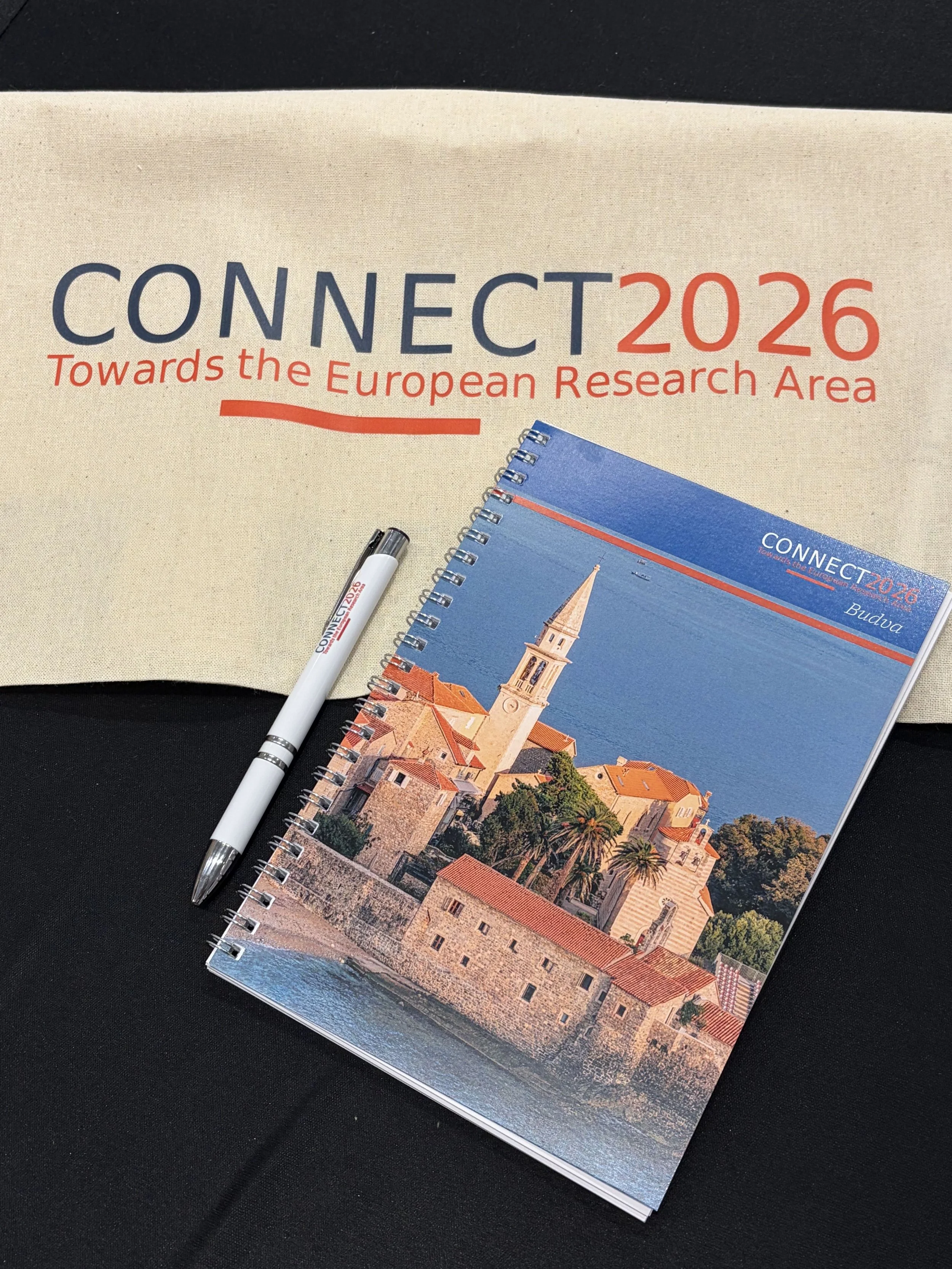
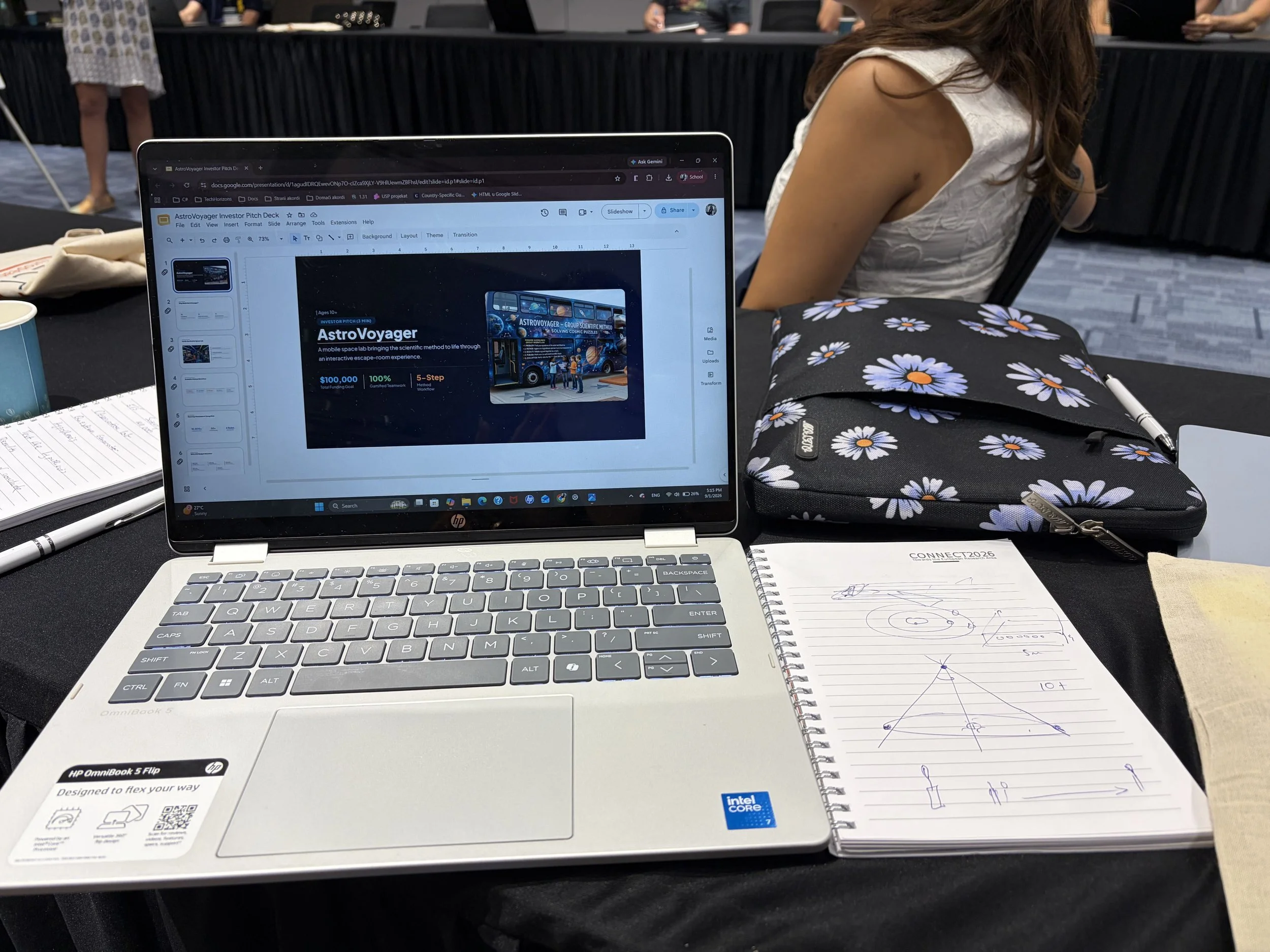
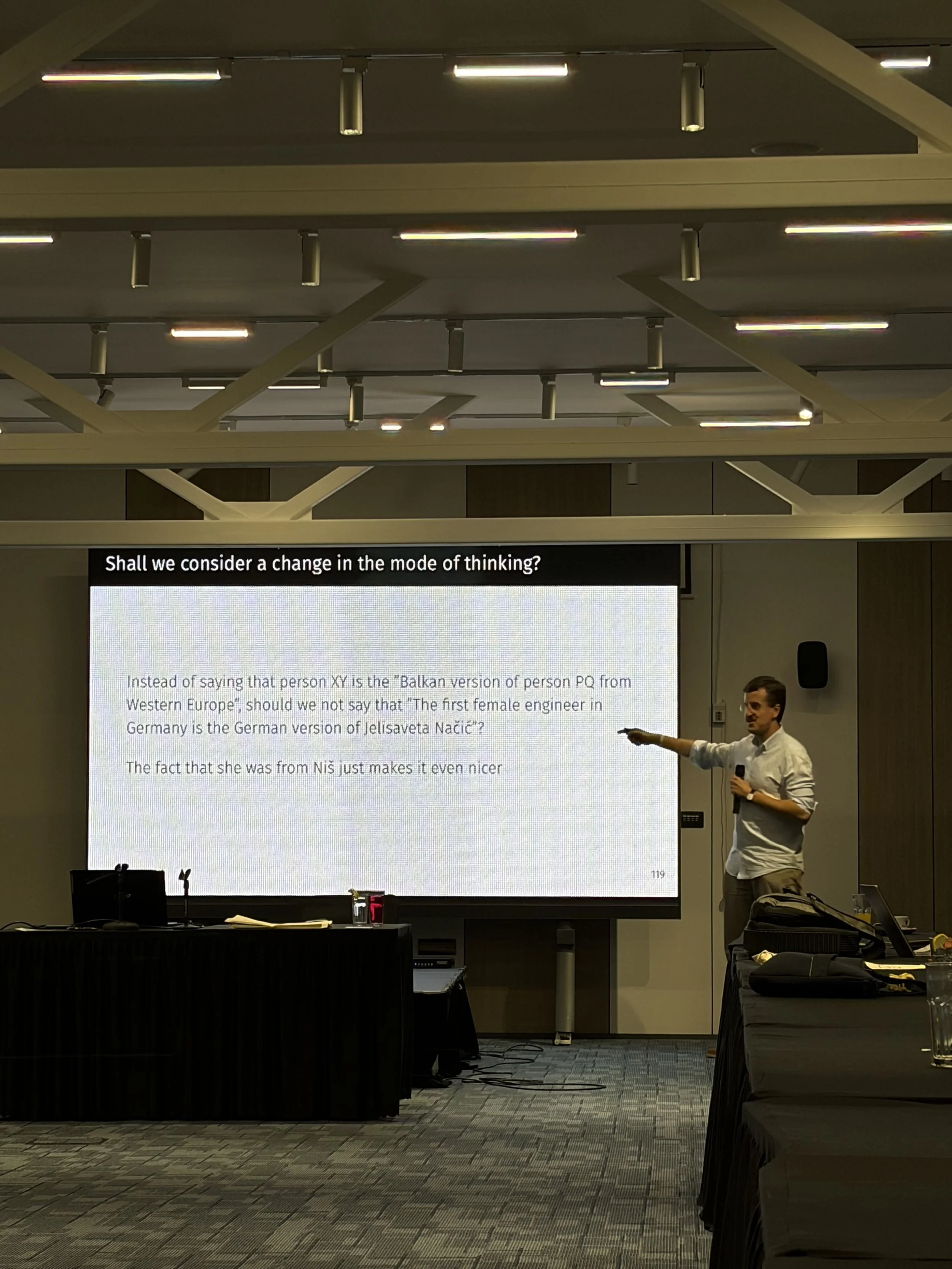
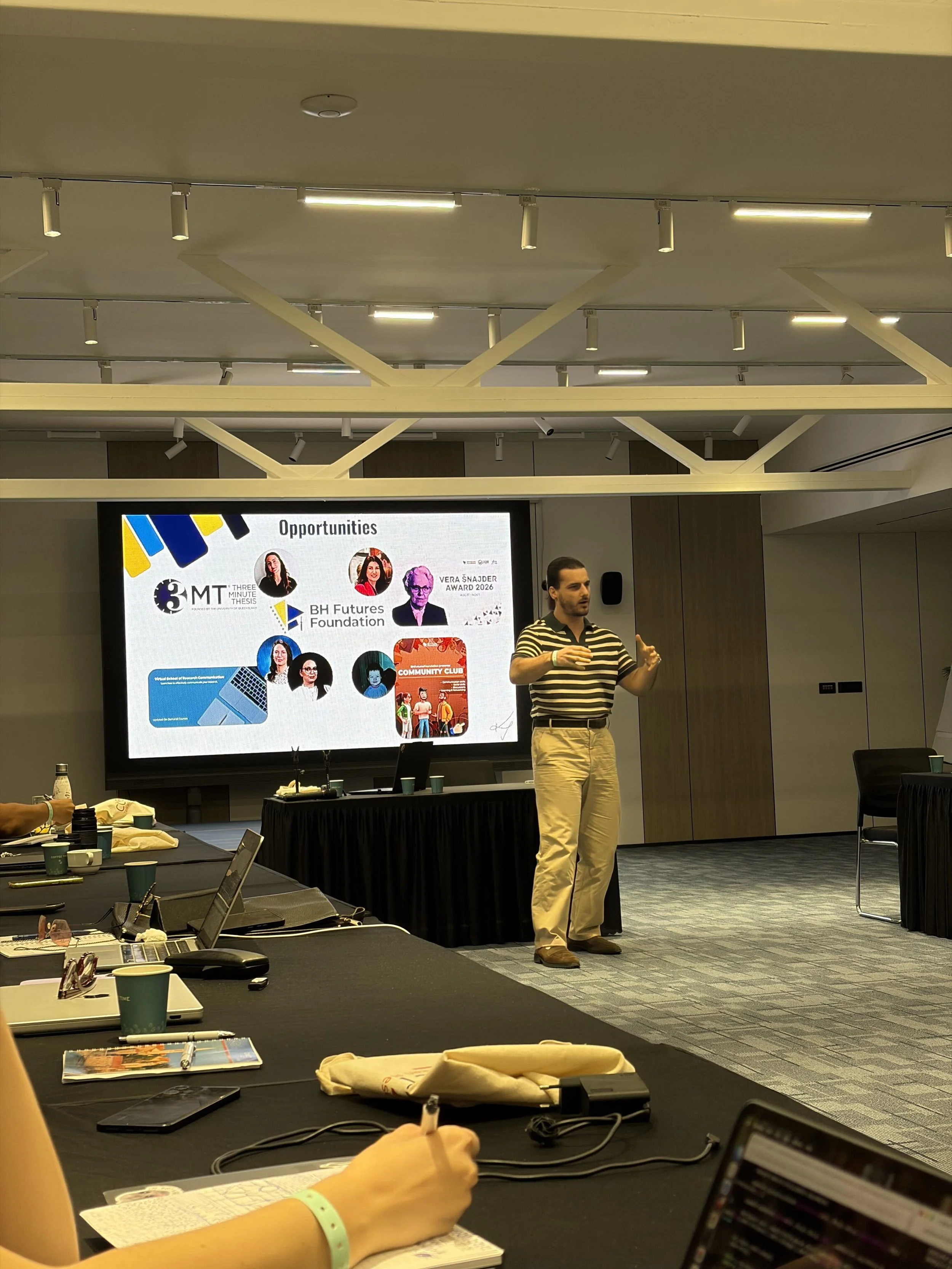
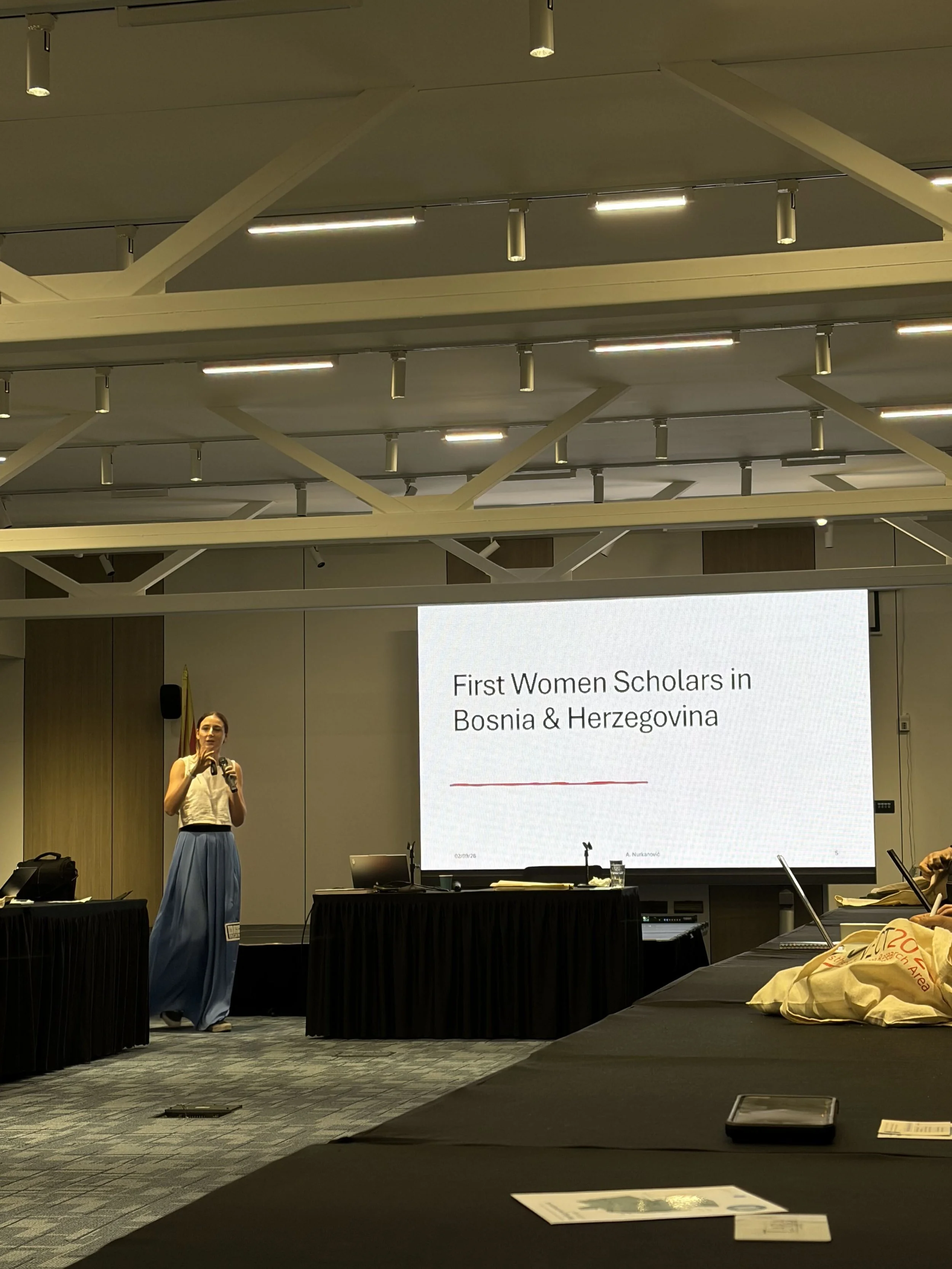
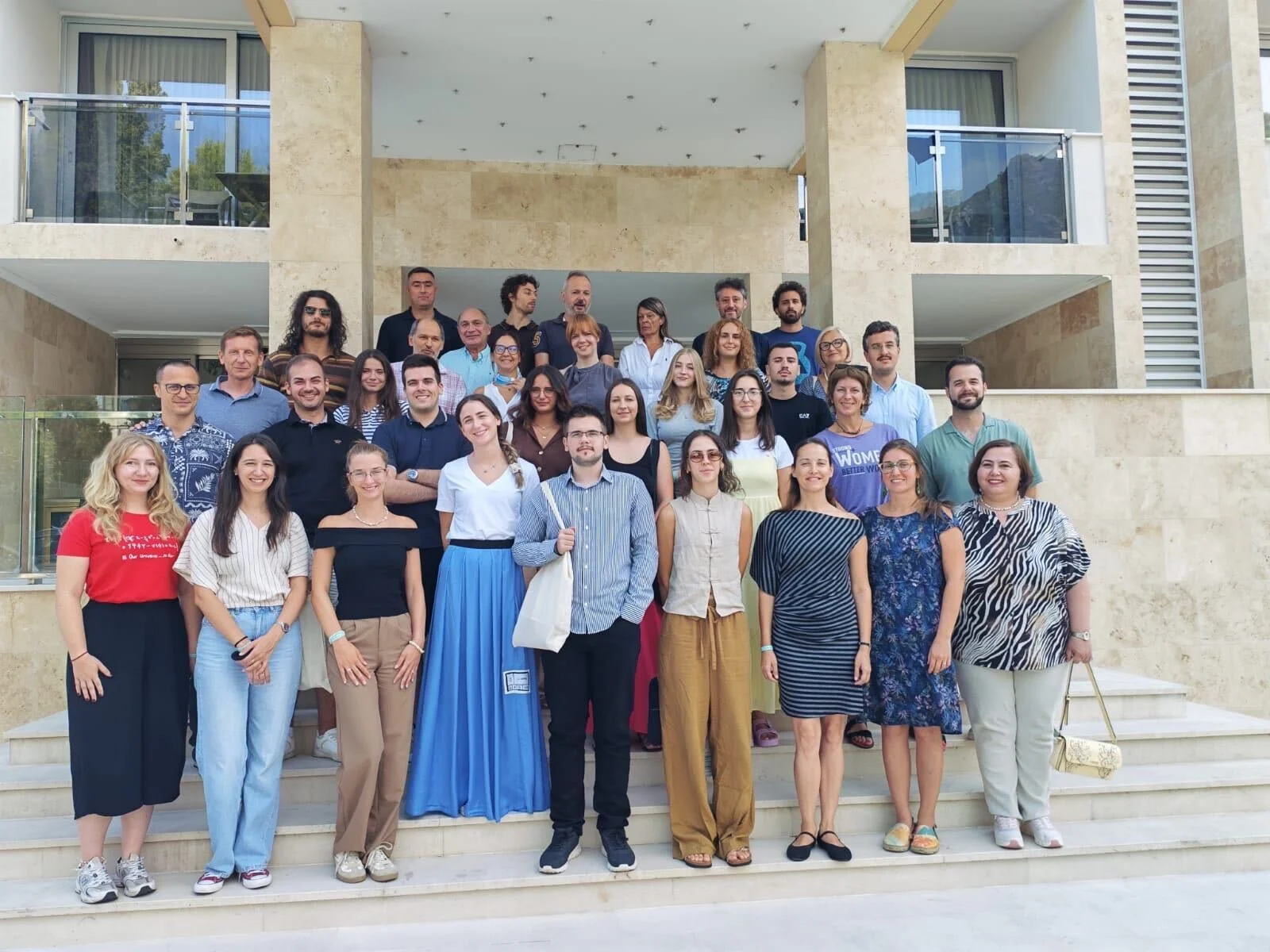
From 31 August to 5 September 2026, Bečići, Montenegro, became a meeting point for researchers, students, and science enthusiasts from across the Western Balkans and Europe during CONNECT 2026. The five-day event brought together 22 participants from STEM, humanities, and the arts, representing Bosnia and Herzegovina, Croatia, Serbia, Montenegro, North Macedonia, Germany, Romania, and Hungary.
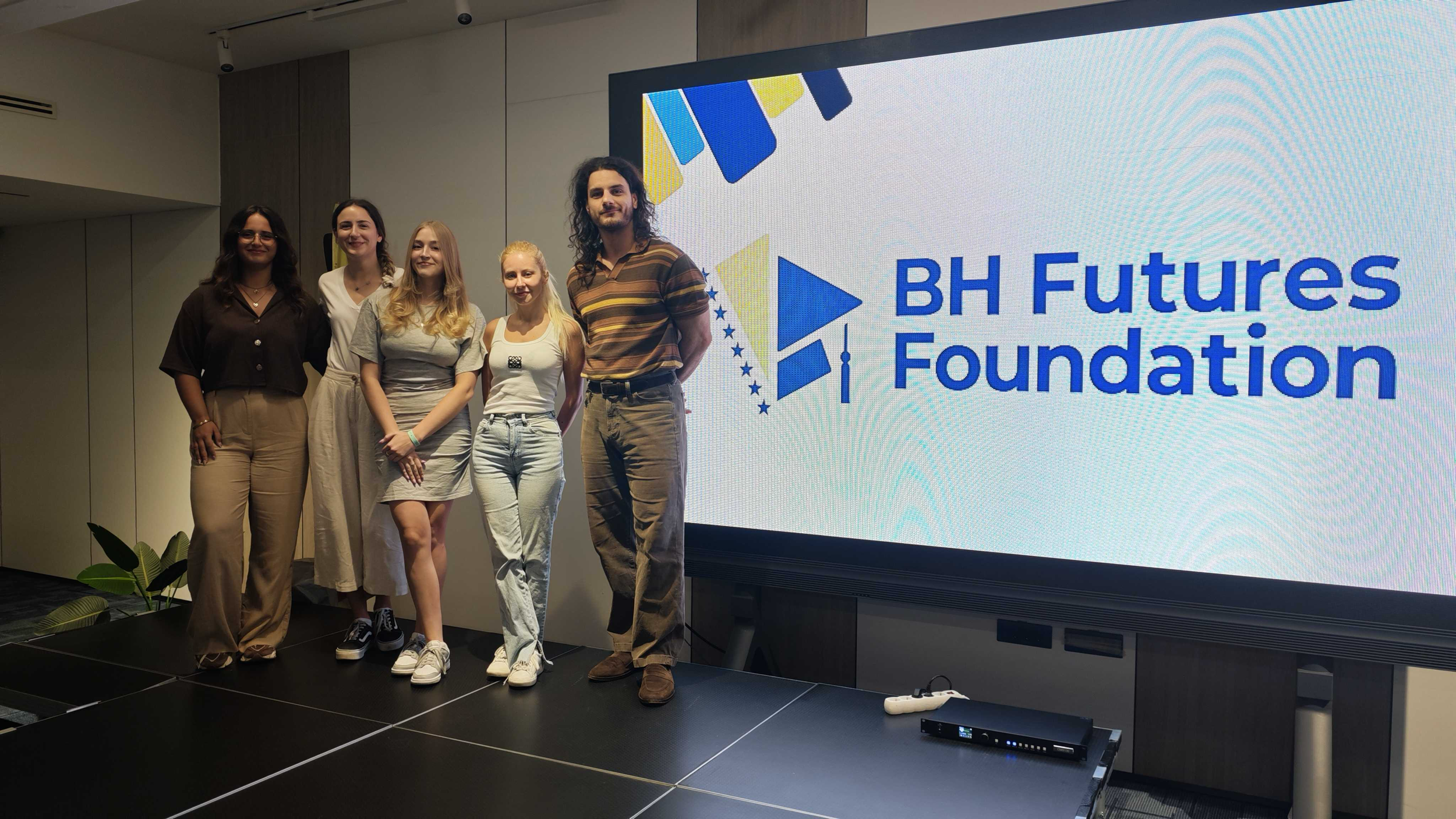
Among them were BHFF Senior Fellow Scholars Lamija Mehić and Ema Brljak, as well as BHFF Alumna Sara Hadžiavdić, who actively participated in discussions, workshops, and networking activities throughout the program. The Bosnia & Herzegovina Futures Foundation (BHFF) community was also represented by Kajs Hadžić, MSc, who presented at the event and represented BHFF, and Dr. Ajla Nurkanović, who contributed as an organizer and speaker.
CONNECT 2026 focused on strengthening connections between the Western Balkans and the European Research Area (ERA). Rather than functioning as a traditional academic symposium, the event emphasized meeting people, exchanging perspectives, discussing shared challenges, and creating opportunities for future collaboration.
Connecting Beyond Traditional Conference Formats
The program included 18 talks and five World Café sessions, covering topics ranging from Open Science and science communication to research careers, gender equality, research infrastructure, funding opportunities, and artificial intelligence.
The event opened with speed-dating-style introductions and a quiz combining scientific facts with general and deliberately useless knowledge, immediately establishing the informal and interactive atmosphere that defined the week.
Throughout the program, participants were encouraged not simply to listen, but to contribute to discussions and learn from people working in different disciplines, countries, and career stages.
Making Science More Accessible
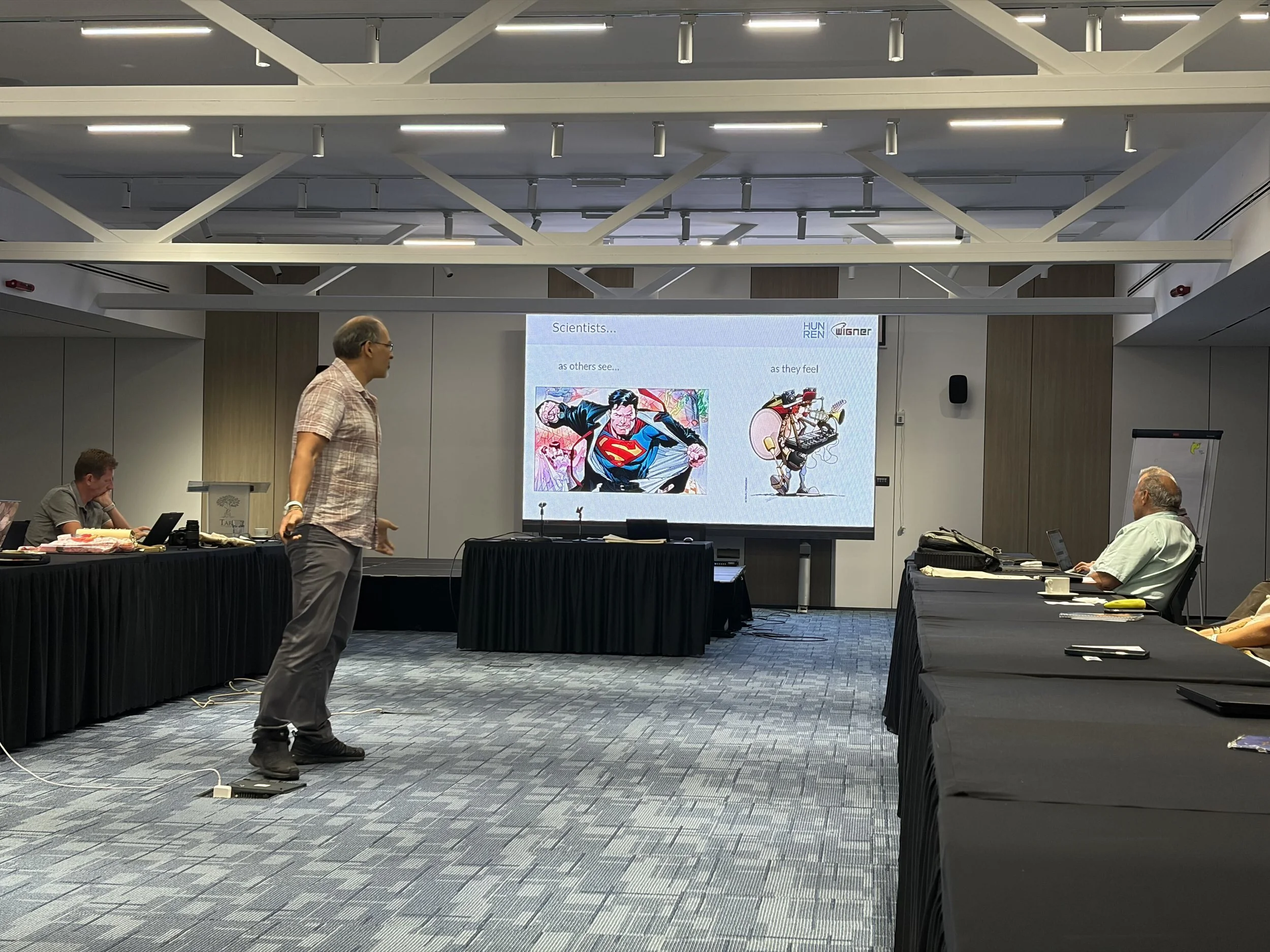
Science communication was one of the central themes of CONNECT 2026. Dr. Sascha Vogel, a science communicator, delivered a session titled “Science of Pokémon,” demonstrating how familiar cultural references can be used to make scientific ideas more accessible and engaging.
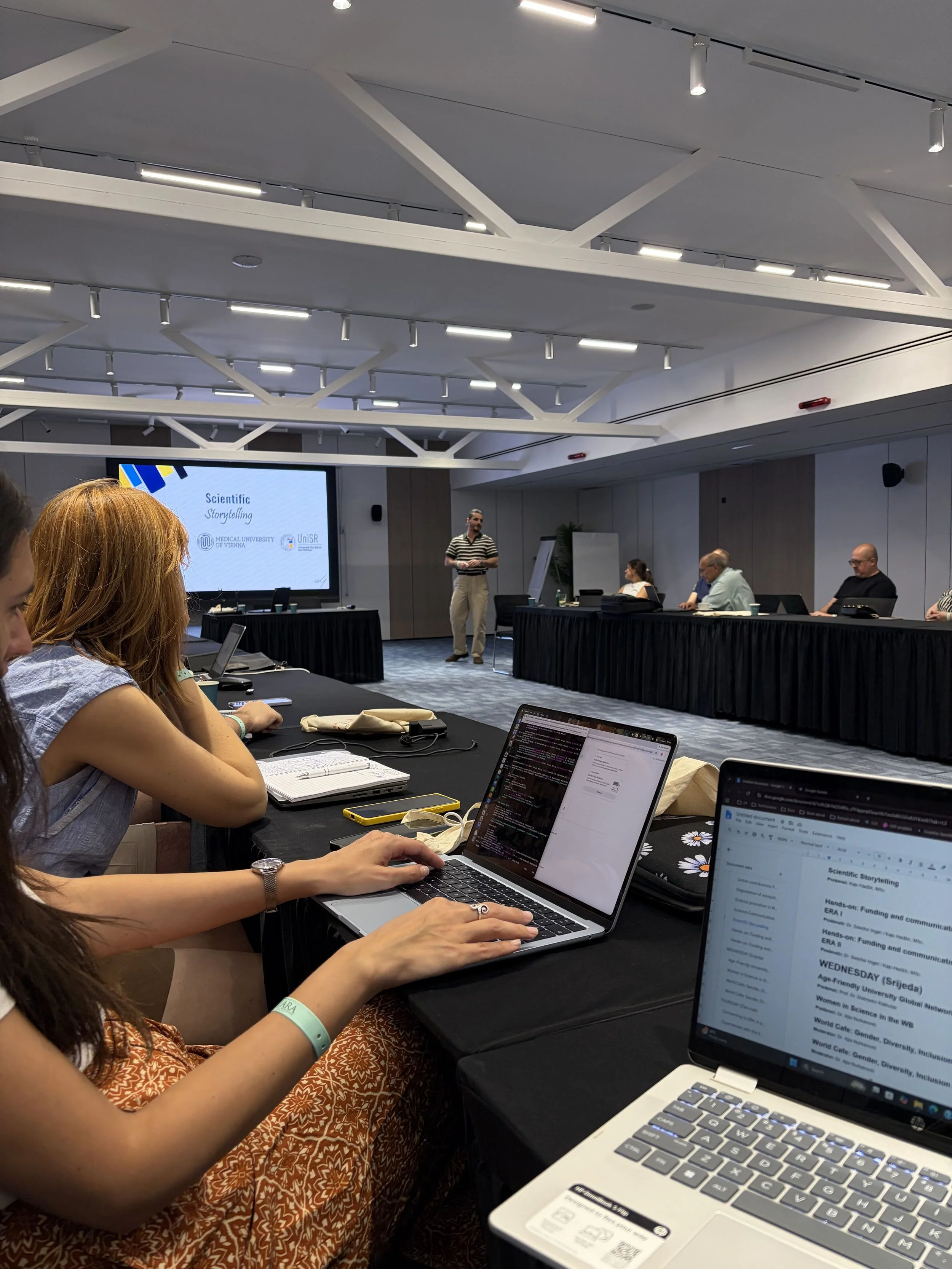
Kajs Hadžić, Research Program Chair at BHFF, also took the stage, presenting and representing Bosnia and Herzegovina Futures Foundation as part of the event's focus on scientific communication and storytelling. His contribution explored the importance of communicating science effectively and engagingly, particularly when addressing younger generations.
In a reflection on CONNECT 2026, Kajs highlighted the event's spirit of bringing people together beyond borders and differences. He described sharing the stage with Sascha Vogel as an opportunity to demonstrate to the next generation of students the power and importance of communication.
His contribution also connected to the idea of the 3-Minute Thesis, emphasizing the challenge of communicating complex ideas clearly and concisely. Rather than focusing solely on scientific expertise, CONNECT encouraged participants to consider how research is presented, understood, and shared with wider audiences.
For Kajs, the experience reflected the broader purpose of the event: learning, sharing, and connecting.
Women in Science, Inclusion, and Different Research Paths
CONNECT 2026 also created space for discussions about who gets to participate in science and how academic systems can become more inclusive.
Dr. Ajla Nurkanović contributed to the program with a session on women in science in the Western Balkans, highlighting the contributions of women scientists whose work has not always received the recognition it deserves. The discussion included figures such as Vera Šnajder and opened broader conversations about visibility, representation, and opportunities for women in research.
A World Café session further explored gender equality, diversity, and inclusion in academic environments, including questions surrounding parental leave, childcare, and the challenges of building sustainable academic careers.
Other discussions examined what happens to senior researchers after retirement and how universities can continue benefiting from their knowledge and experience. Prof. Dr. Dubravko Klabučar led participants through questions about retaining institutional knowledge and creating opportunities for different generations of researchers to remain connected to academia.
Building a Stronger Research Ecosystem in the Region
Research careers and talent circulation were another major focus of the event. Participants discussed how the Western Balkans can strengthen its research ecosystem and improve connections with the European Research Area through mechanisms such as Twinning, Widening, and COST.
During one World Café, Sara Hadžiavdić contributed to a discussion about establishing a regional research center for Western Balkan scientists, alongside questions of university support and the need for increased research funding.
As one of the younger participants in the discussion, Sara brought a perspective shaped by the experiences and expectations of an emerging generation of researchers.
These conversations reflected a broader challenge: creating research environments in the region where young scientists can develop their careers while remaining connected to international research networks.
Networking Beyond the Lecture Hall
The CONNECT experience extended well beyond formal sessions.
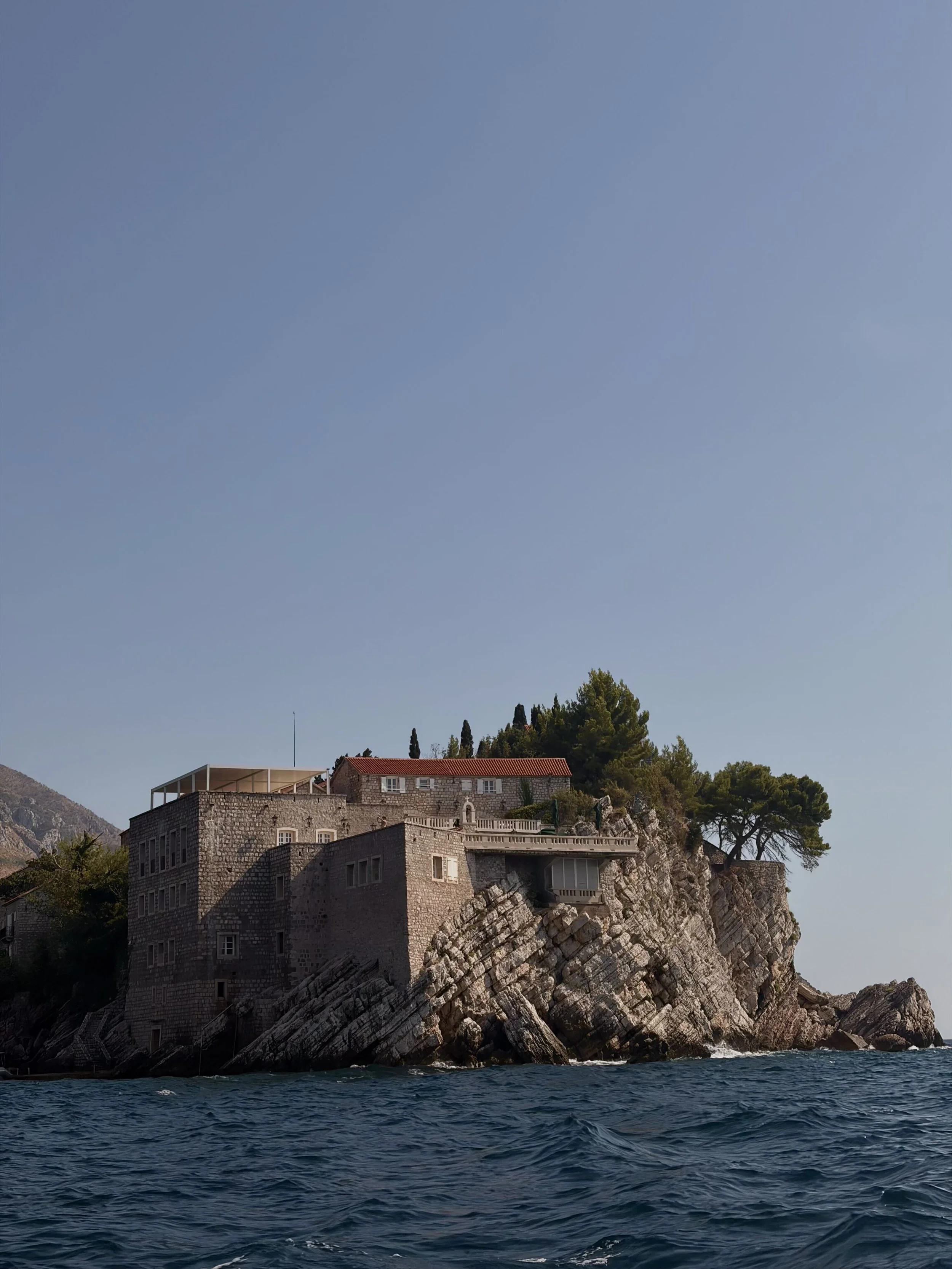
Participants had opportunities to connect during meals, coffee breaks, walks, and a boat excursion from Bečići to Sveti Stefan and Sveti Nikola before returning to Bečići. These informal moments were an important part of the conference, allowing participants from different disciplines and countries to build relationships outside the structure of presentations and workshops.
This emphasis on personal connection was central to the event's identity. The goal was not simply to exchange research findings, but to create relationships that could develop into future collaborations.
Artificial Intelligence and the Future of Science
Artificial intelligence became one of the most forward-looking topics of the program.
The final day focused on AI in science and scientific writing, including questions about recognizing AI-generated language, the pressure to publish in academic environments, and the ways researchers are adapting to rapidly changing technologies.
The final World Café challenged participants to think about the future of CONNECT itself. They were asked to develop proposals for funding the initiative over the next ten years, under different conditions regarding the use of AI.
Interestingly, the proposal developed without using AI made the strongest impression, turning the exercise itself into a reflection on the role technology should play in academic and collaborative work.
A Name That Captured the Experience
The name CONNECT ultimately reflected the central experience of the event: connecting countries, disciplines, generations, and career stages.
For Lamija Mehić, Ema Brljak, and Sara Hadžiavdić, participation offered an opportunity to engage with researchers and peers from across the region and Europe, while exploring topics that extend beyond any single academic discipline.
For Kajs Hadžić, representing BHFF and contributing to the science communication program demonstrated another dimension of connection: bringing scientific ideas closer to students and wider audiences.
And through the contributions of Dr. Ajla Nurkanović as an organizer and speaker, the event also demonstrated how members of the BHFF community can contribute not only as participants, but as people shaping academic and scientific spaces themselves.
The value of CONNECT 2026 therefore extends beyond the five-day program. The people met, ideas exchanged, and relationships established during the event have the potential to continue through future research, collaboration, and shared initiatives.
In that sense, CONNECT was not simply an event about connection. It created connections that can continue long after participants returned home.