
Vera Šnajder Award 2025: Amila Haskić Brings Research in Oral Surgery to the International Stage


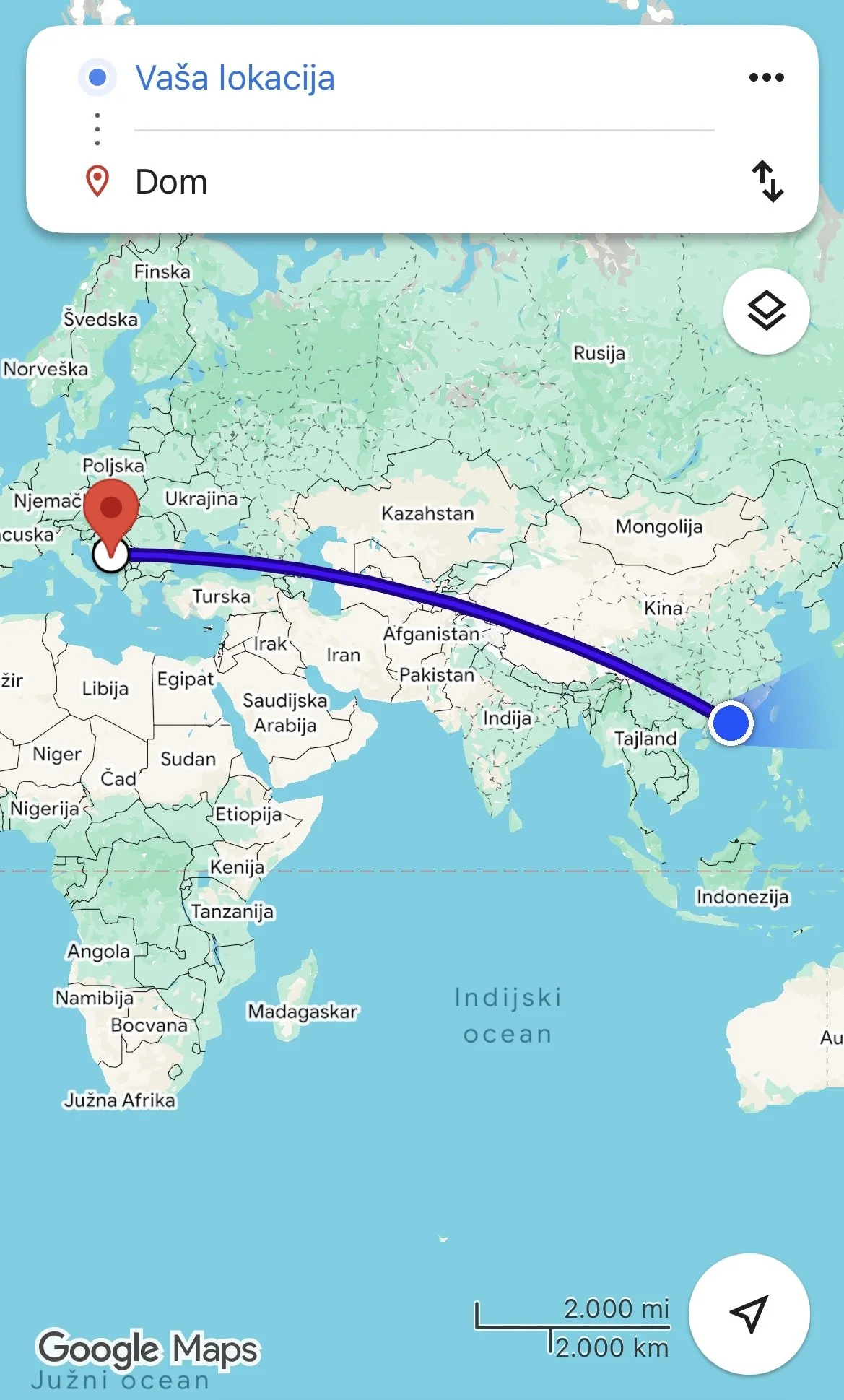

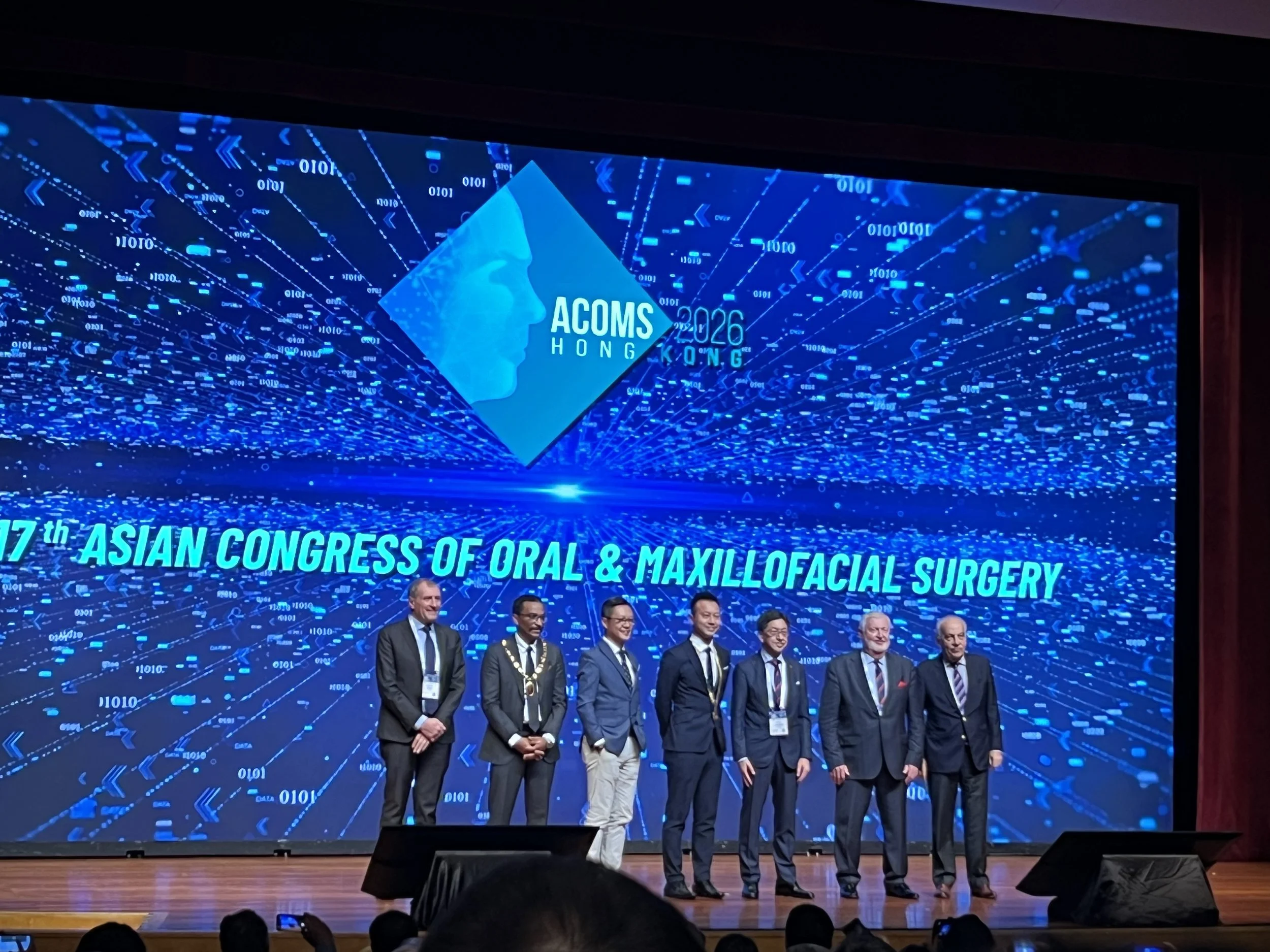
The Bosnia and Herzegovina Futures Foundation (BHFF) is proud to highlight Amila Haskić, a 2025 recipient of the Vera Šnajder Award, whose academic journey took her to an international conference where leading experts in oral and maxillofacial surgery, dentistry, robotics, and artificial intelligence gathered to exchange knowledge and shape the future of the field.
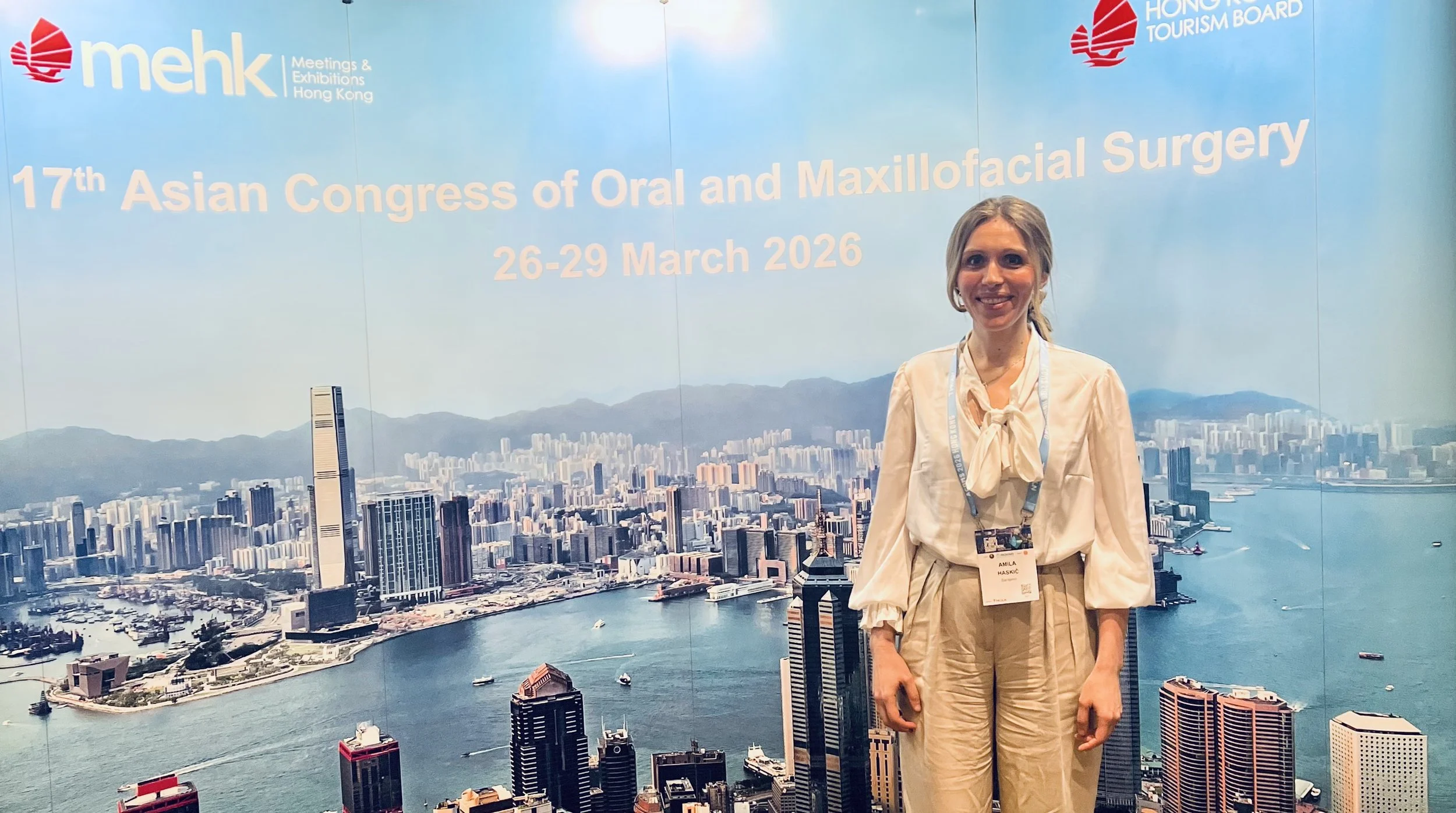
A doctoral student at the Faculty of Dentistry, University of Sarajevo, Amila used the support of the Vera Šnajder Award to participate in an international scientific conference, gaining an opportunity to present her research, connect with internationally recognized researchers, and explore emerging developments that could influence both clinical practice and dental education.
From the moment she arrived, the scale of the event made a strong impression. The size of the convention venue, the level of organization, and the extensive use of technological support demonstrated the international scope of the conference and created an environment where scientific exchange could take place on a global scale.
Learning Through International Scientific Exchange
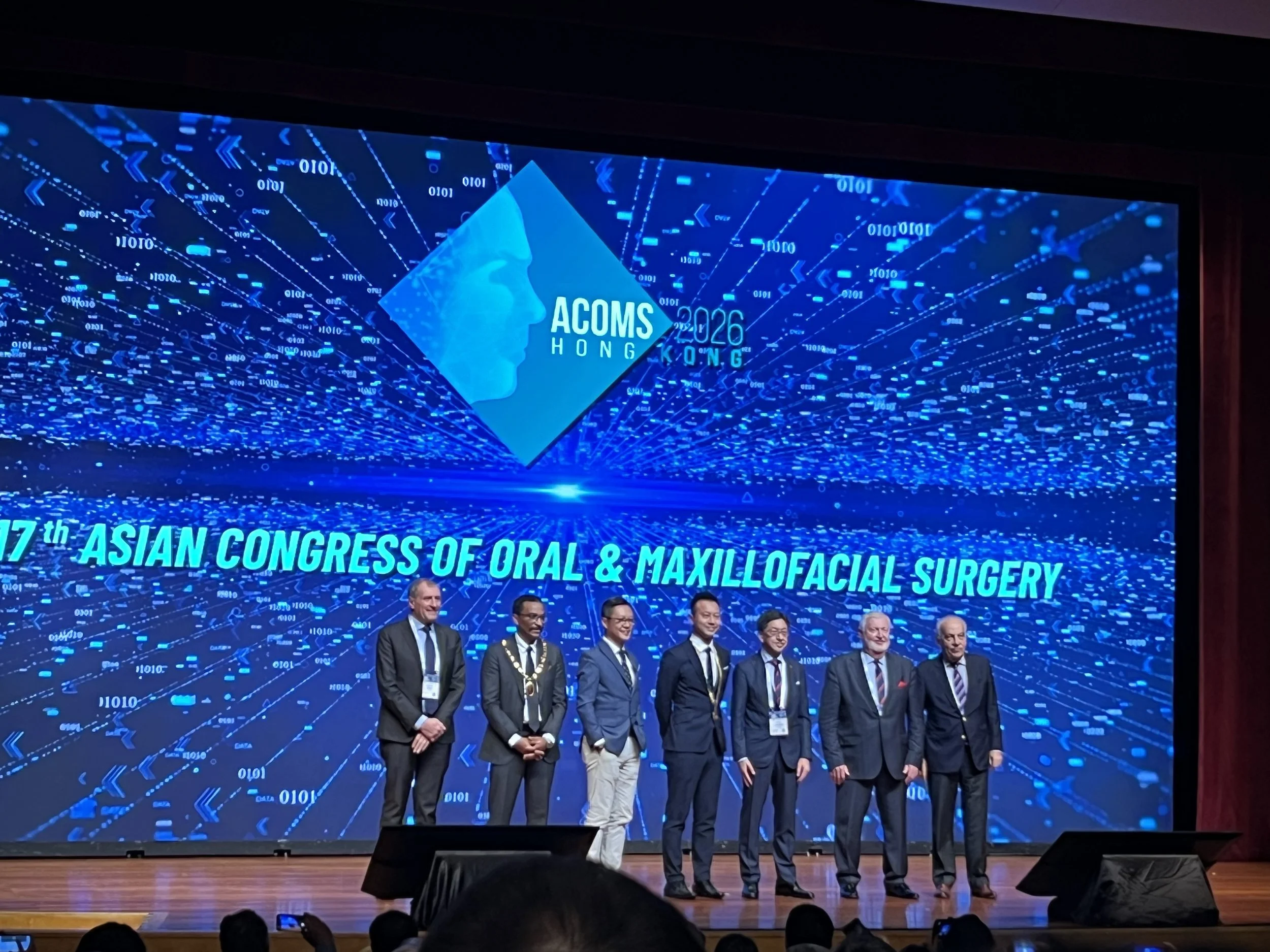
One of the most memorable moments for Amila was the opening ceremony, which emphasized the importance of international cooperation and knowledge-sharing.
A particular highlight was the representation of Asian countries through a procession of presidents of national professional associations, followed by a speech from the president of the International Association of Oral and Maxillofacial Surgeons. The emphasis on unity, openness, and sharing knowledge resonated strongly with Amila and reinforced the importance of international collaboration in advancing healthcare.
The conference also placed a strong emphasis on recognizing those who came before—a value Amila found especially meaningful in the context of the Vera Šnajder Award and its mission of honoring the contribution of previous generations while investing in those who will shape the future.
For Amila, the experience demonstrated that scientific progress is rarely the work of individuals alone. Behind every presentation and discovery was a team of researchers and professionals working toward a shared goal.
Presenting Research in Oral Surgery
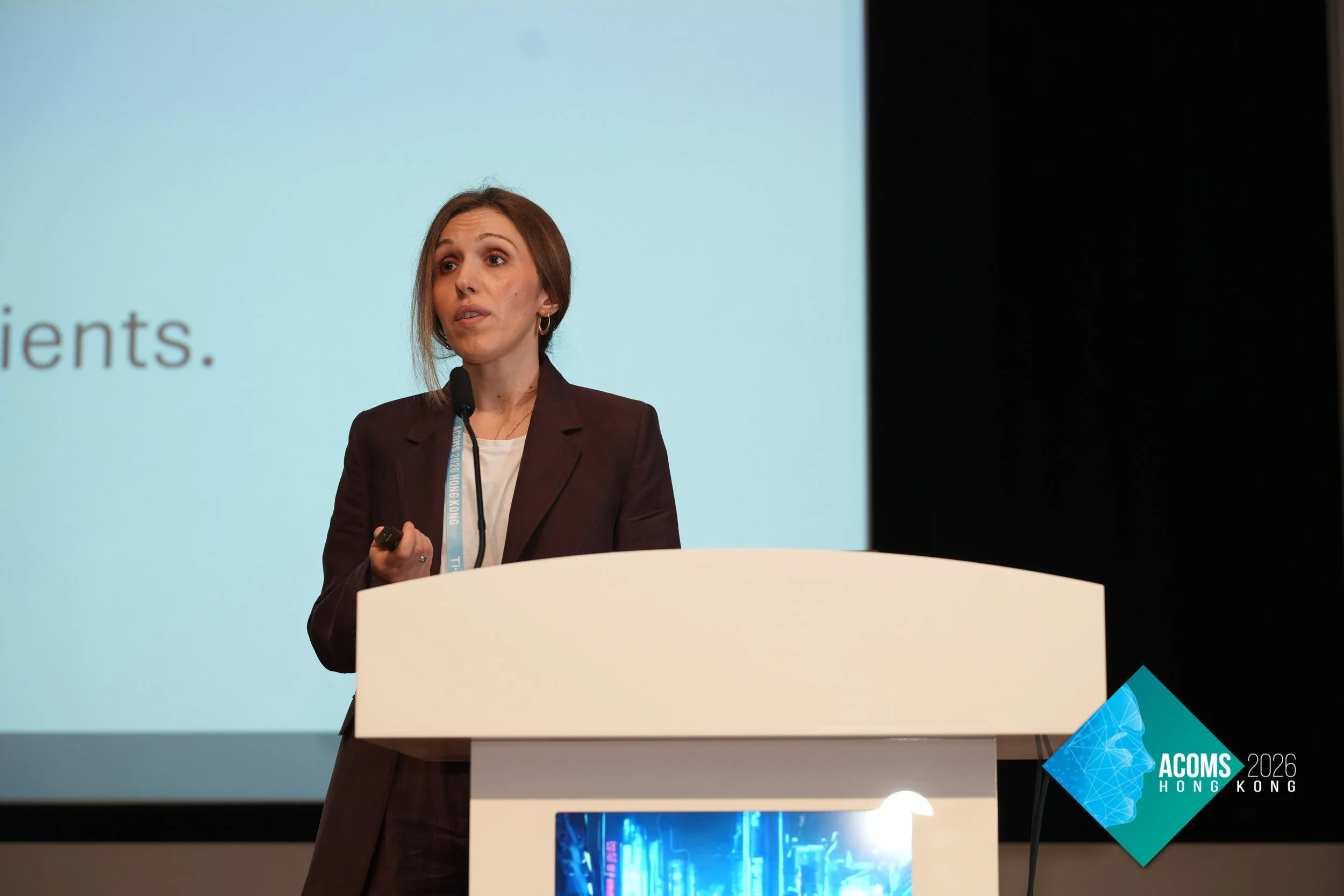
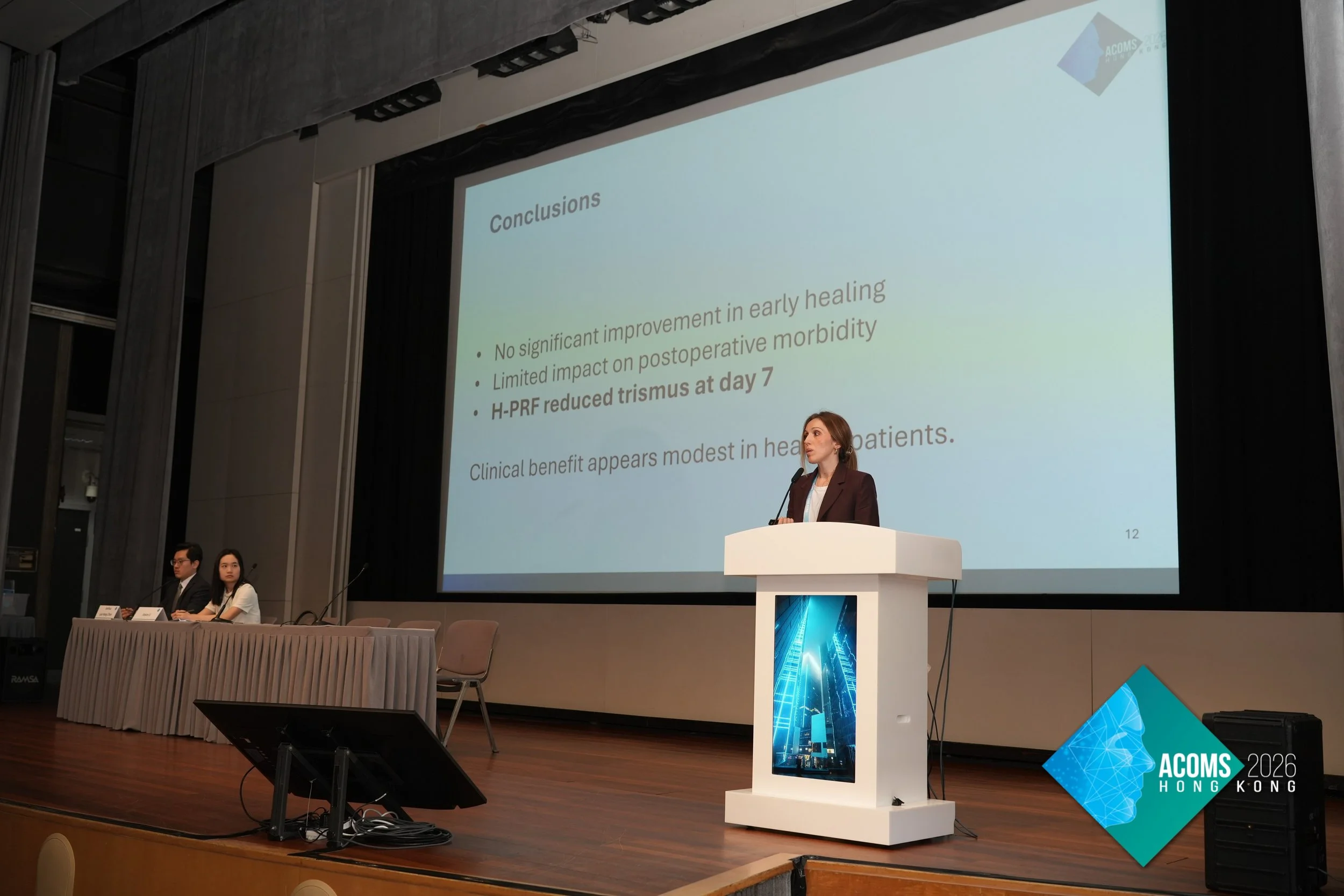
As part of the conference program, Amila had the opportunity to present part of her research on platelet concentrates in oral surgery.
The presentation provided more than an opportunity to share her findings. It also opened the door to discussions with colleagues and researchers from different backgrounds. Amila was particularly impressed by the carefully considered questions from the audience, which reflected genuine interest in her research and encouraged further scientific discussion.
The conference also enabled her to connect with researchers whose work had already influenced her academic journey.
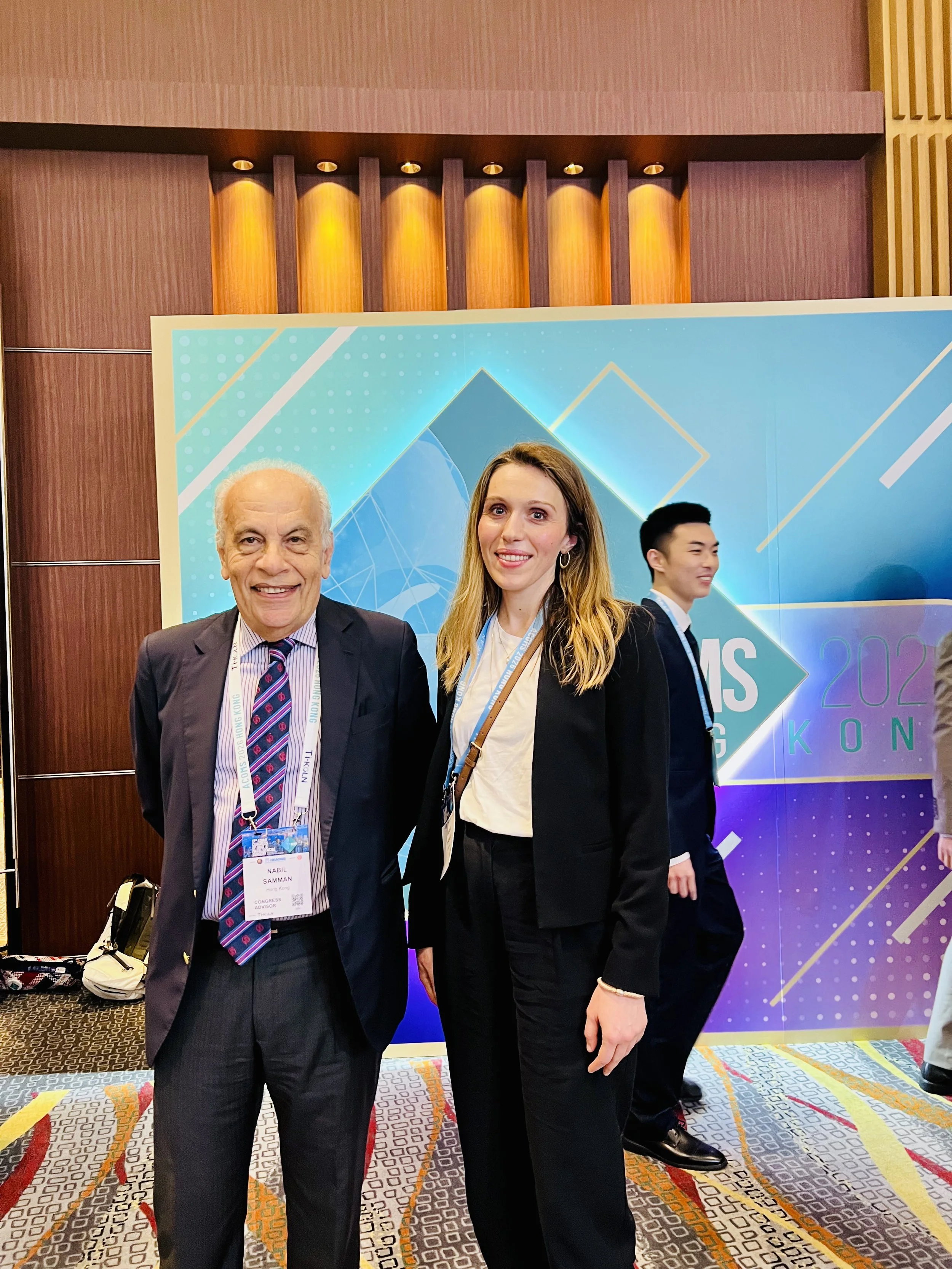
Among them was Prof. Nabil Samman, editor of the journal that had recently accepted Amila’s research for publication. She also had the opportunity to meet Masako Kobayashi, a Japanese researcher whose work she had cited numerous times in her own research.
Sharing her findings directly with a researcher whose work had been an important reference point in her academic work offered a particularly meaningful moment of scientific exchange. The conversation provided Amila with new feedback and perspectives that she could take back into her research.
Looking Toward the Future of Dentistry
Beyond the immediate focus of her research, the conference exposed Amila to the rapidly changing technological landscape of dentistry.
Although she was already aware of the increasing digitalization of dental practice, experiencing the developments in robotics and artificial intelligence at an international level reinforced the urgency of engaging with these technologies.
The experience encouraged her to look beyond current practices and consider how emerging technologies could be integrated into dentistry in Bosnia and Herzegovina.
For Amila, this represents not only a professional opportunity but also a responsibility to continue learning and adapting as the field evolves.
She hopes to use the knowledge and perspectives gained through the conference to contribute to the introduction of new procedures and services within her clinic, as well as to bring new ideas into the academic curriculum.
The Impact of the Vera Šnajder Award
For Amila, the Vera Šnajder Award represented much more than financial support for attending an international conference. It provided access to a global scientific environment that would otherwise be difficult to experience and created opportunities for professional connections, knowledge exchange, and personal growth.
Being surrounded by professionals she considers role models strengthened her motivation to continue developing—not only herself as a researcher and clinician, but also the institution she represents and, ultimately, the wider community.
The experience also reinforced the importance of building strong professional communities. Seeing research presented by teams rather than individuals served as a reminder that meaningful scientific progress depends on skilled people working together toward a common goal.
Amila strongly encourages other young women scientists to apply for the Vera Šnajder Award and take advantage of opportunities that can broaden their academic and professional perspectives.
Bringing International Experience Back Home
One of the most important outcomes of the experience is Amila’s intention to translate what she learned into her work in Bosnia and Herzegovina.
From new approaches in oral surgery to developments in digital dentistry, robotics, and artificial intelligence, the conference gave her perspectives that can contribute to the continued development of both clinical practice and dental education.
Her experience reflects the purpose of the Vera Šnajder Award: creating opportunities for women scientists from Bosnia and Herzegovina to access international knowledge, establish meaningful professional connections, and bring new perspectives back to their institutions and communities.
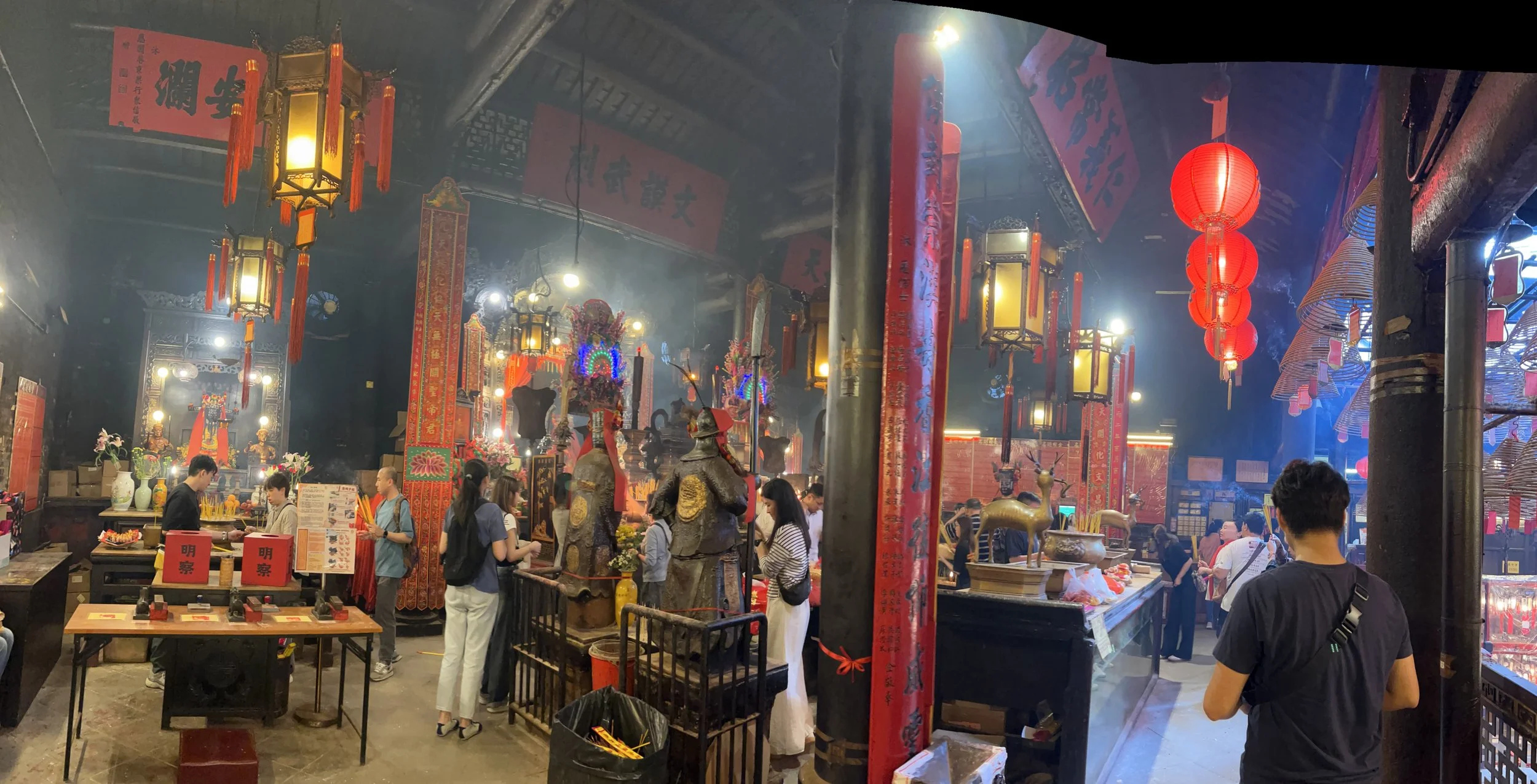
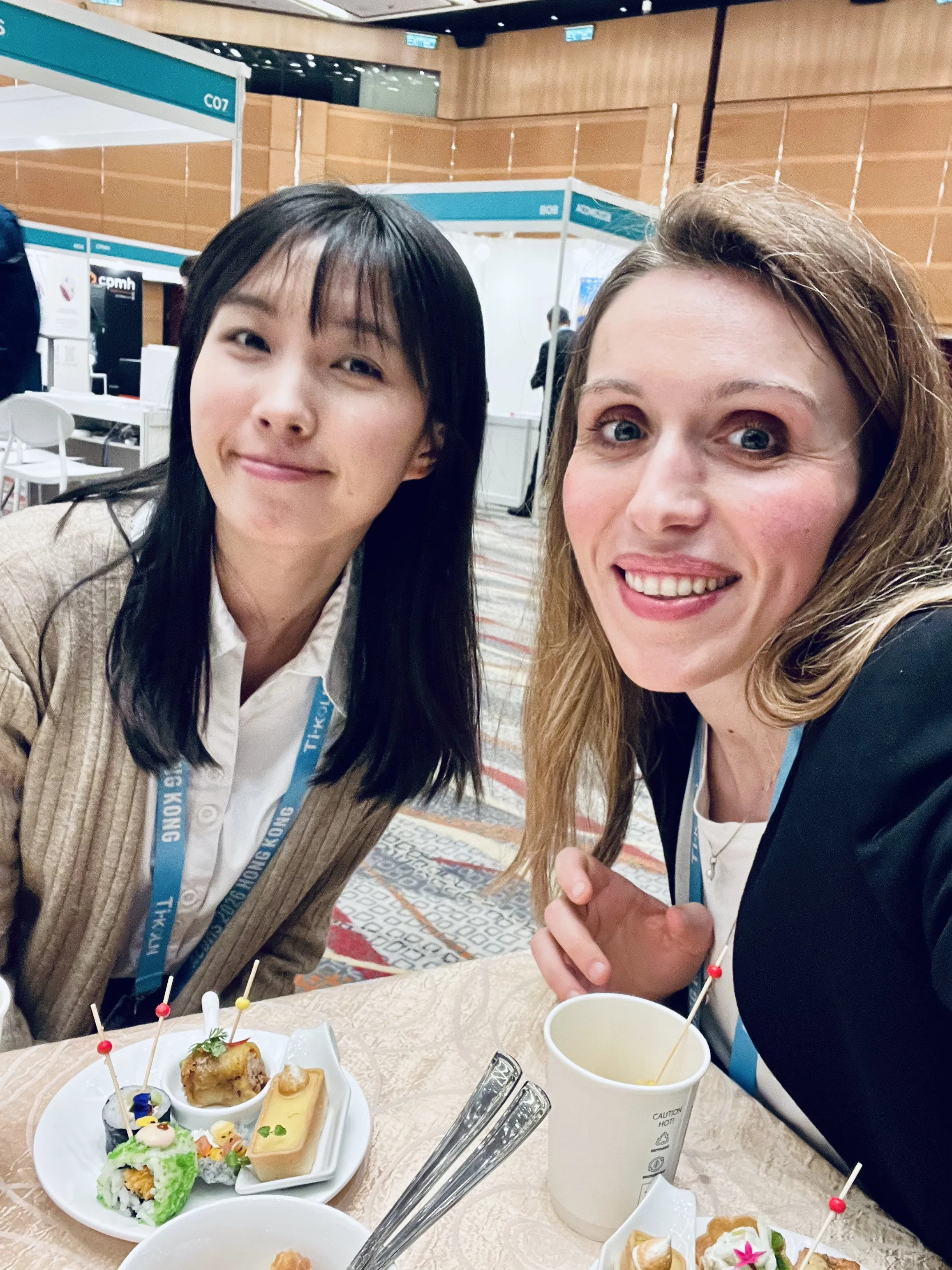
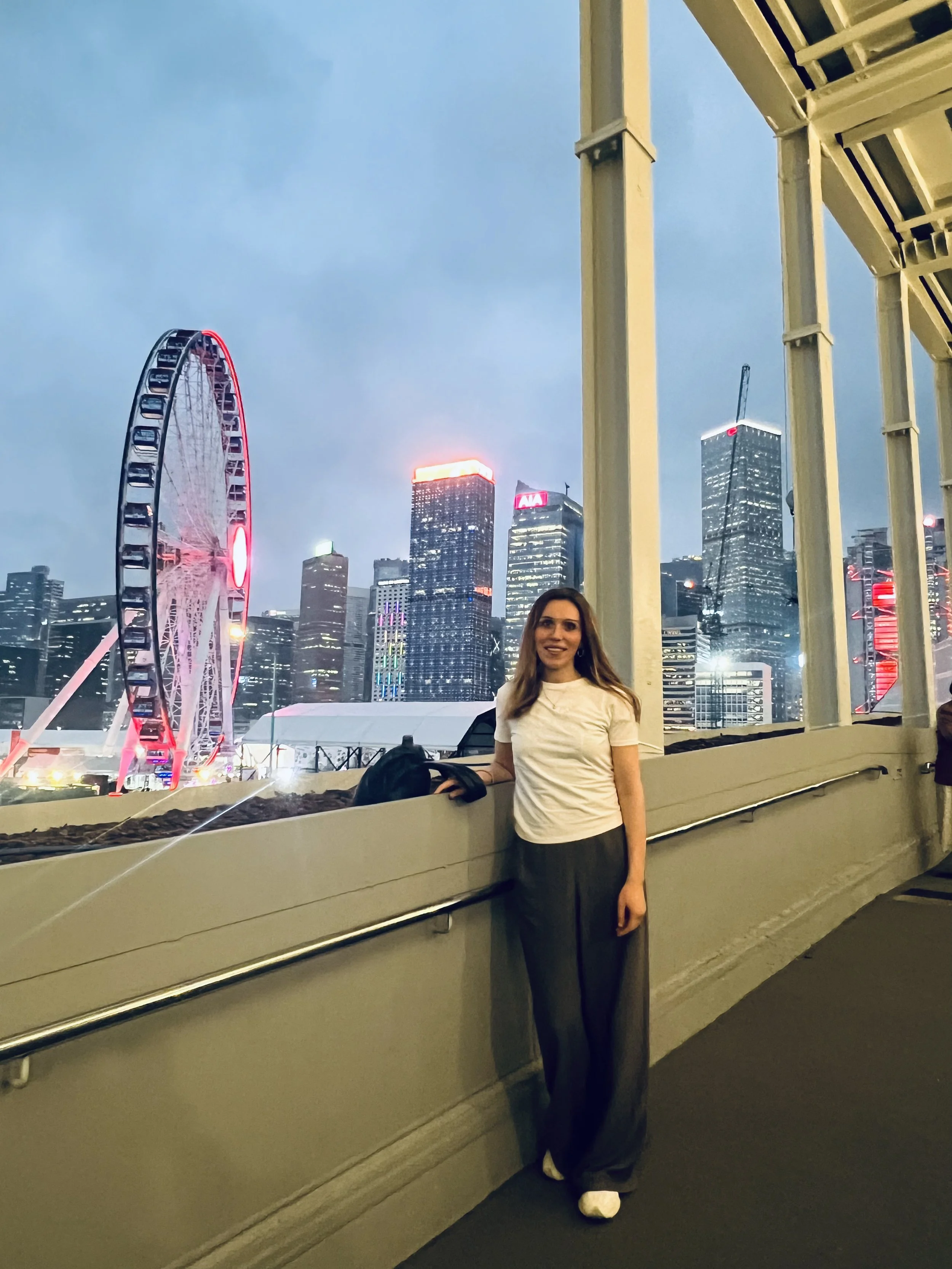
For Amila, the journey also extended beyond science. Experiencing a different culture, communicating across languages, and building friendships with colleagues from around the world became an important part of the experience. Among these connections was a friendship with a colleague from China—one of the personal memories she hopes will continue long after the conference.
Through the Vera Šnajder Award, BHFF continues to invest in women researchers whose work has the potential to strengthen science, healthcare, education, and society in Bosnia and Herzegovina.
Amila Haskić’s experience is a powerful example of how international exposure can become a catalyst for local impact—transforming new knowledge and connections into ideas that can shape the future of dentistry at home.