
BHFF Alumni Aiša Bečić, Amina Bajramović, Dino Burić and Senior Fellow Scholar Sara Habibija Visit Rimac in Zagreb: Exploring the Future of Automotive Innovation
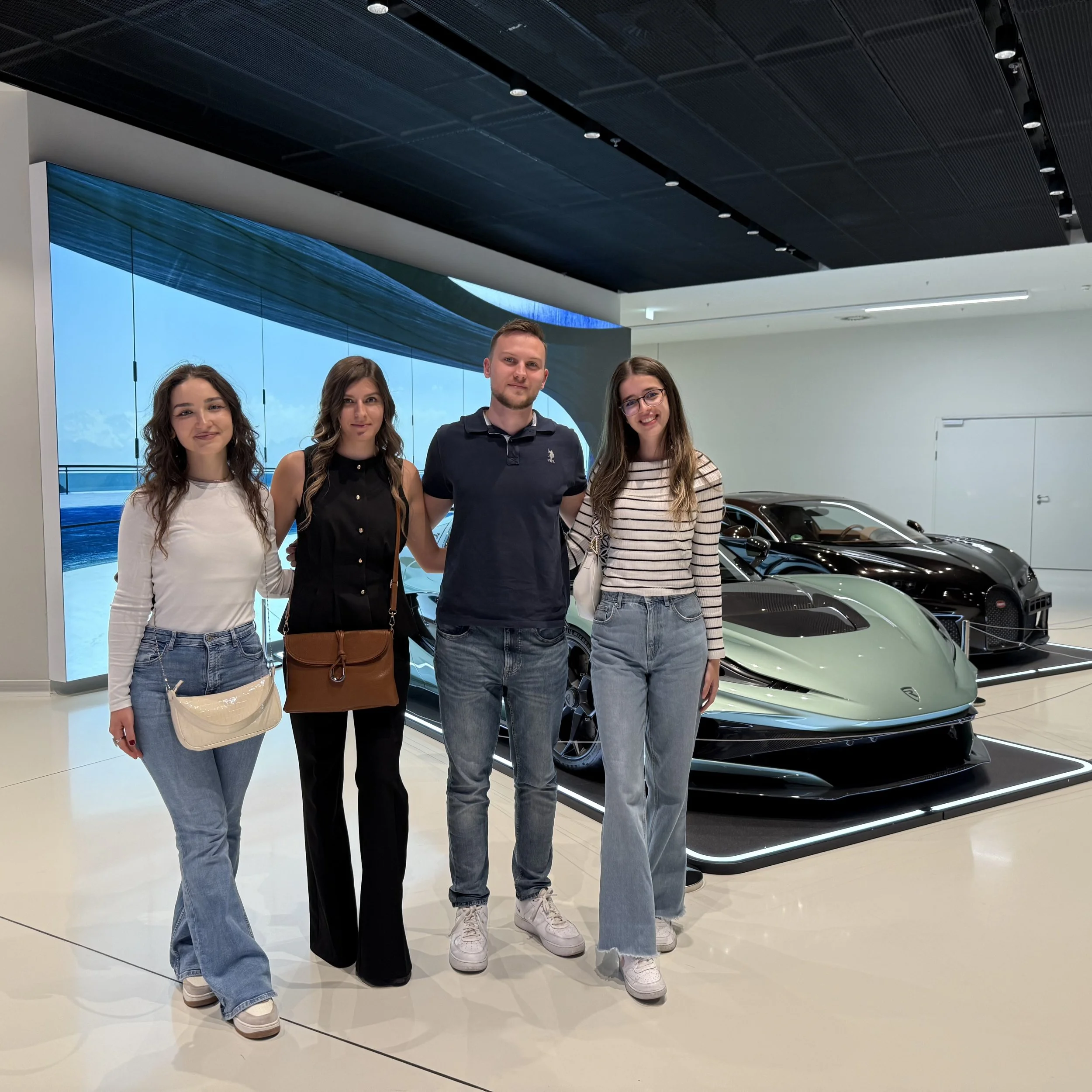
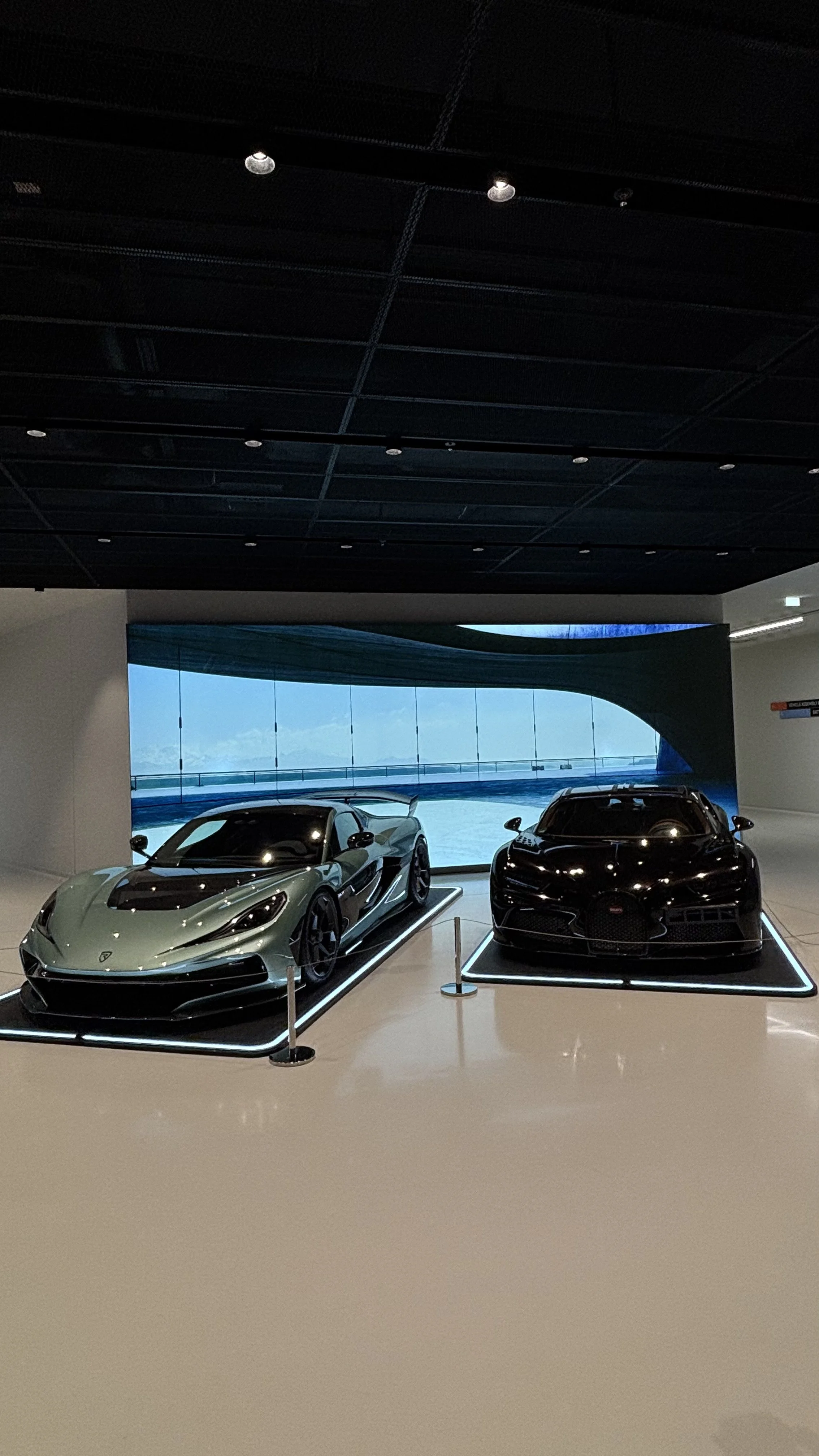
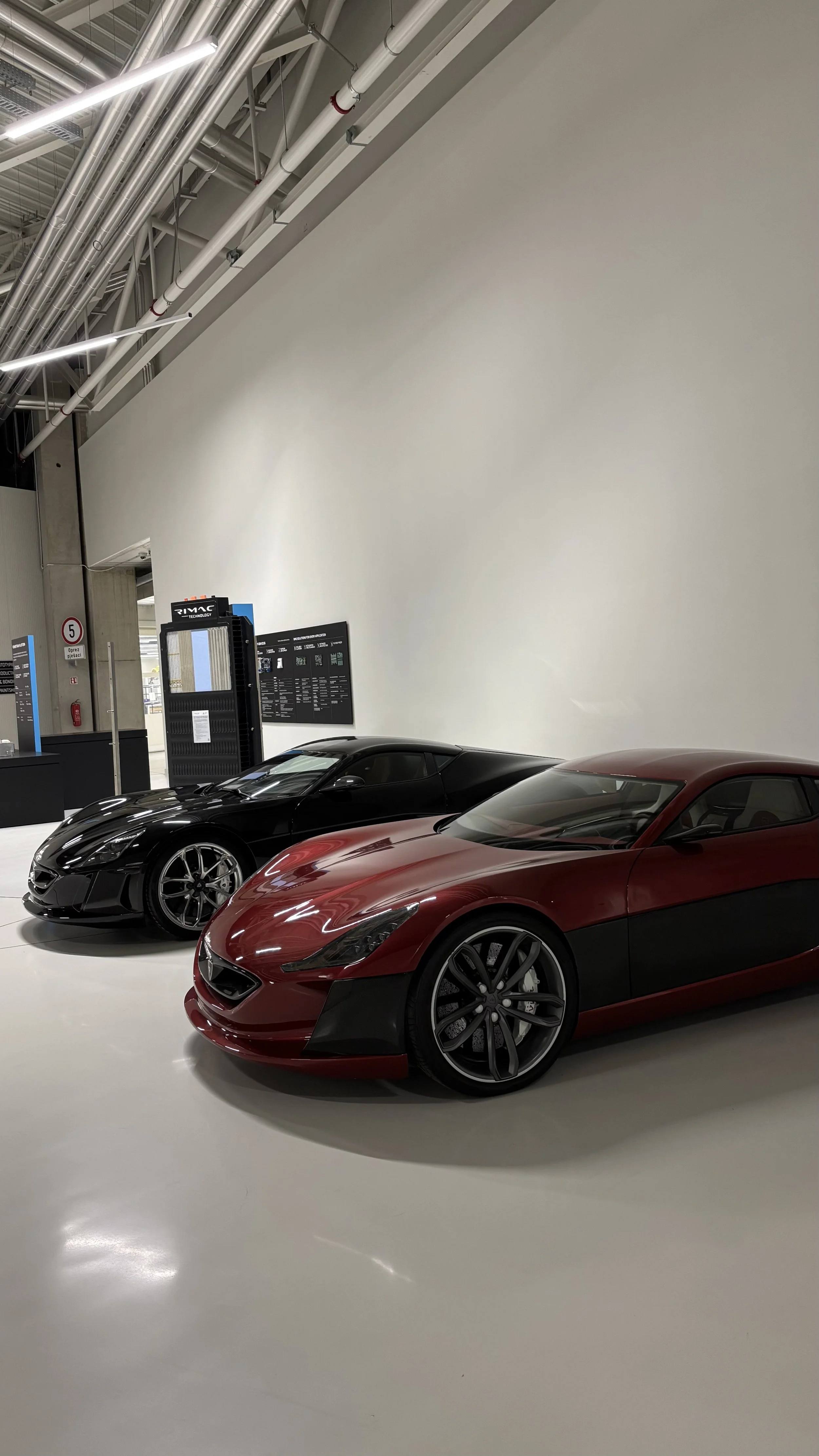
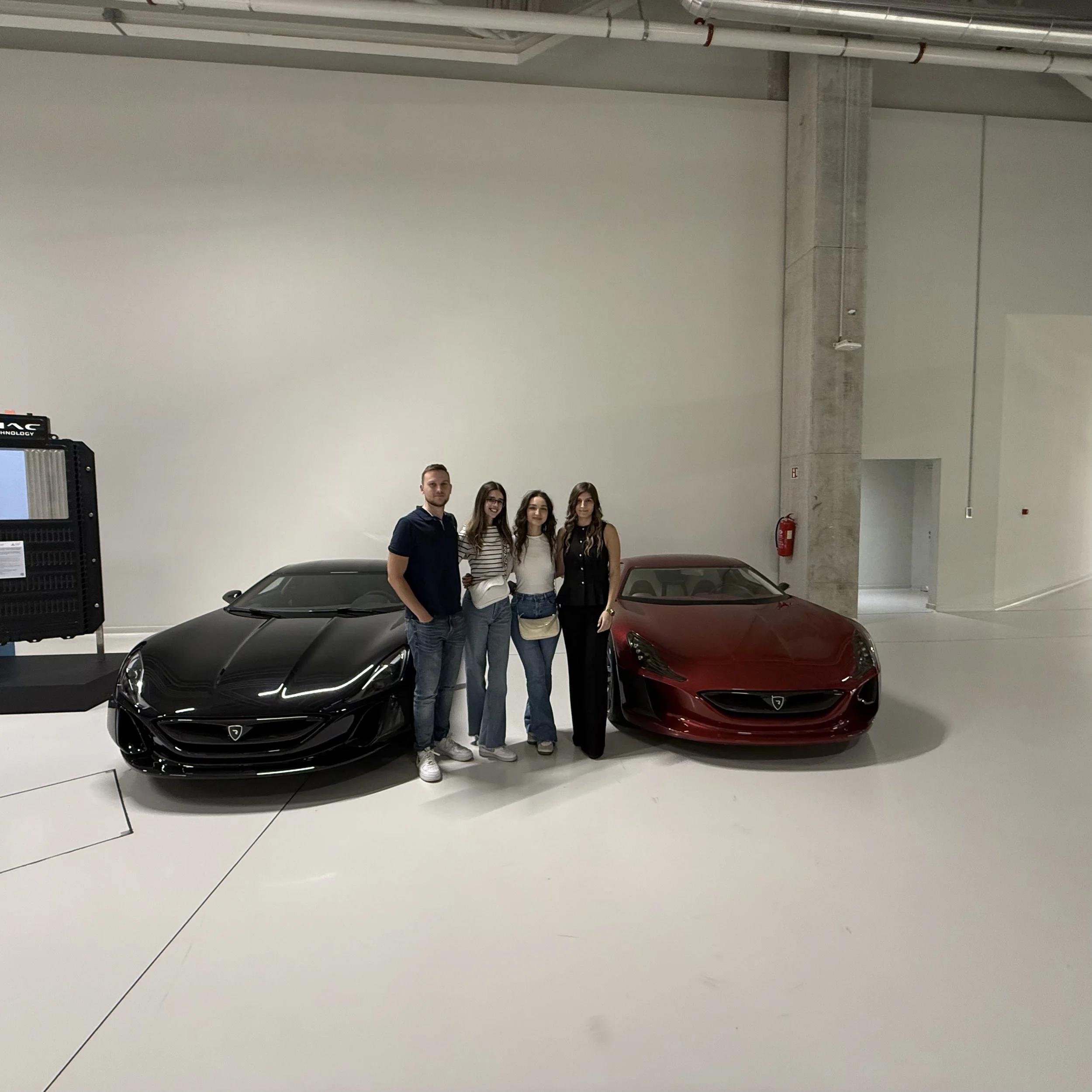
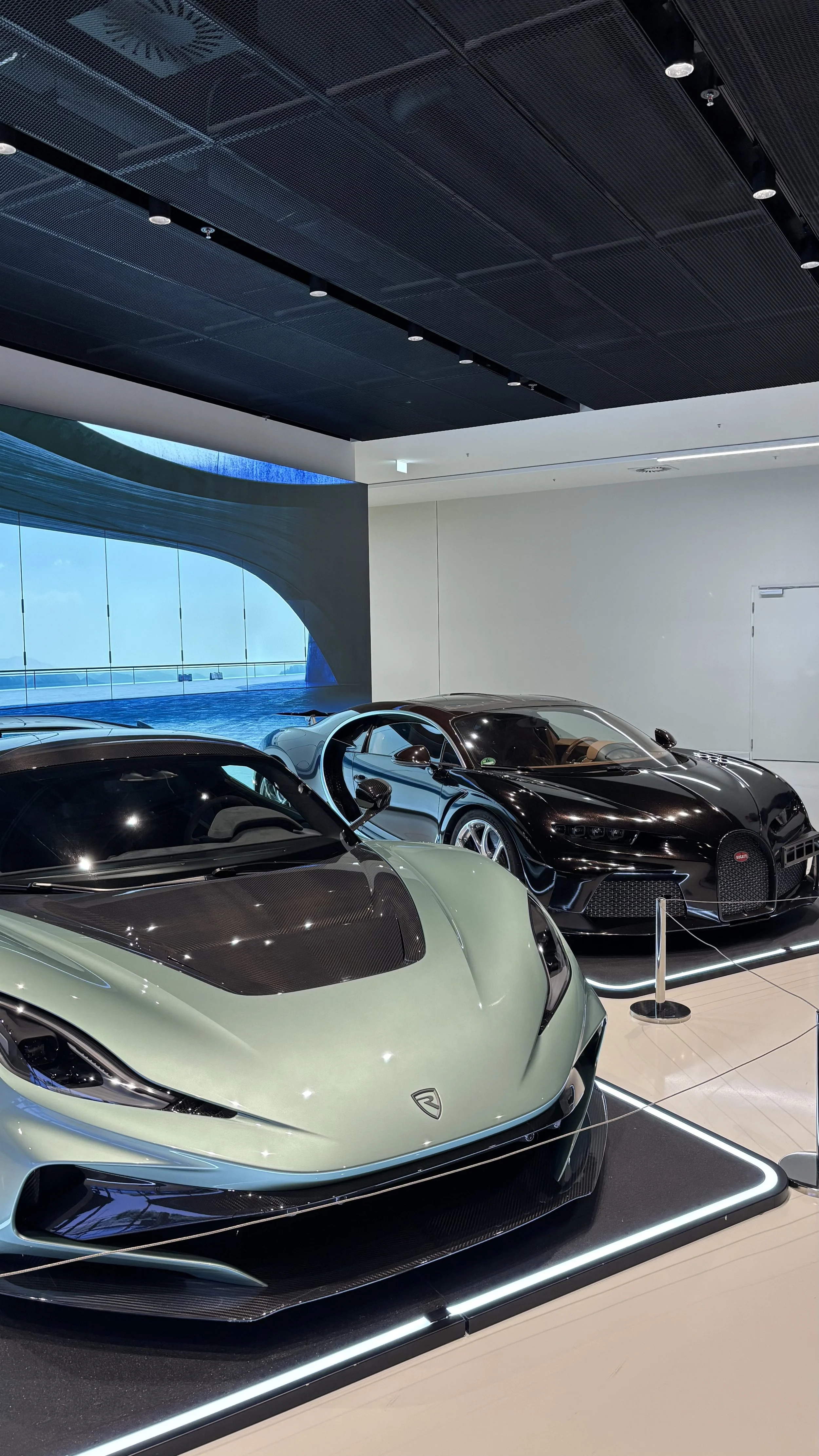
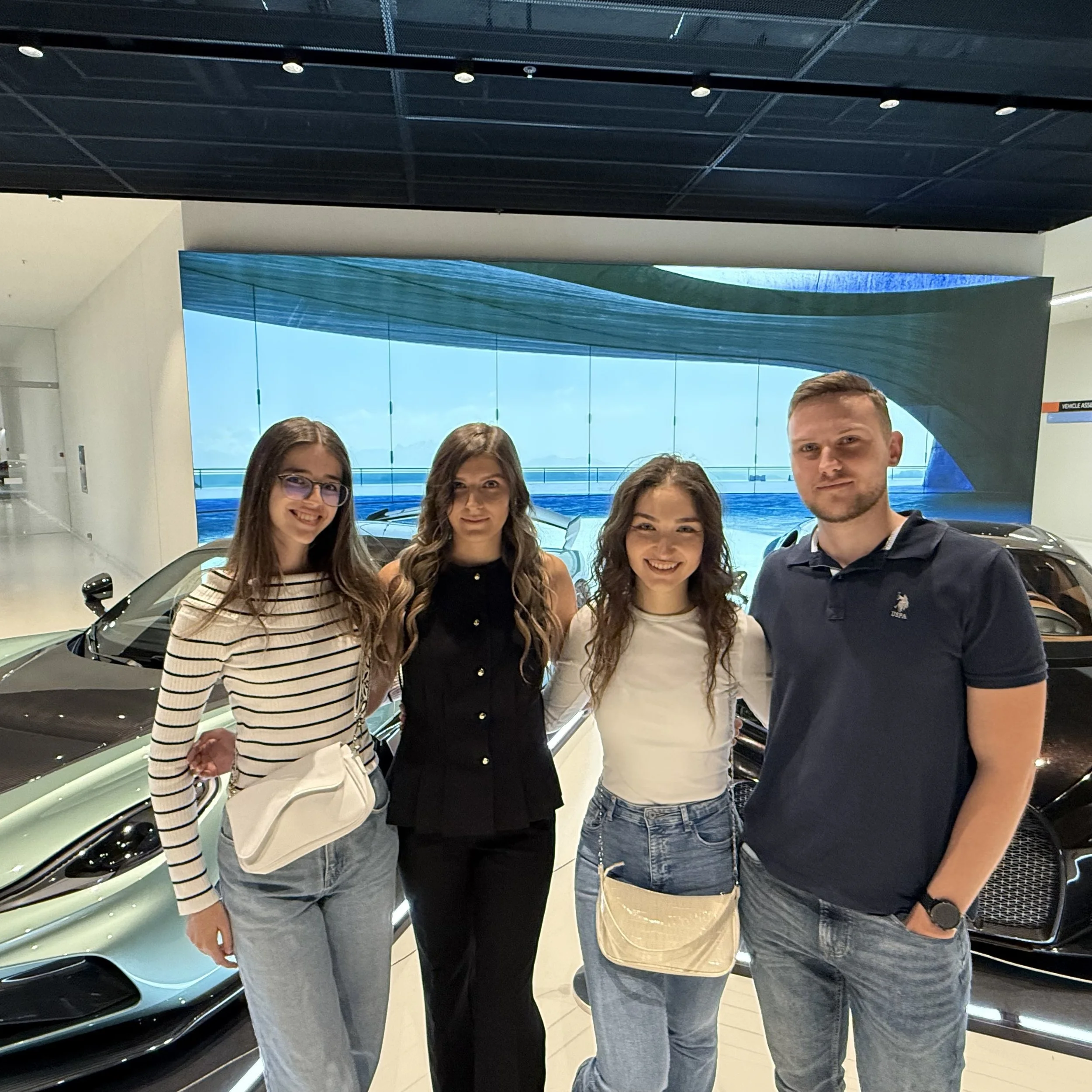
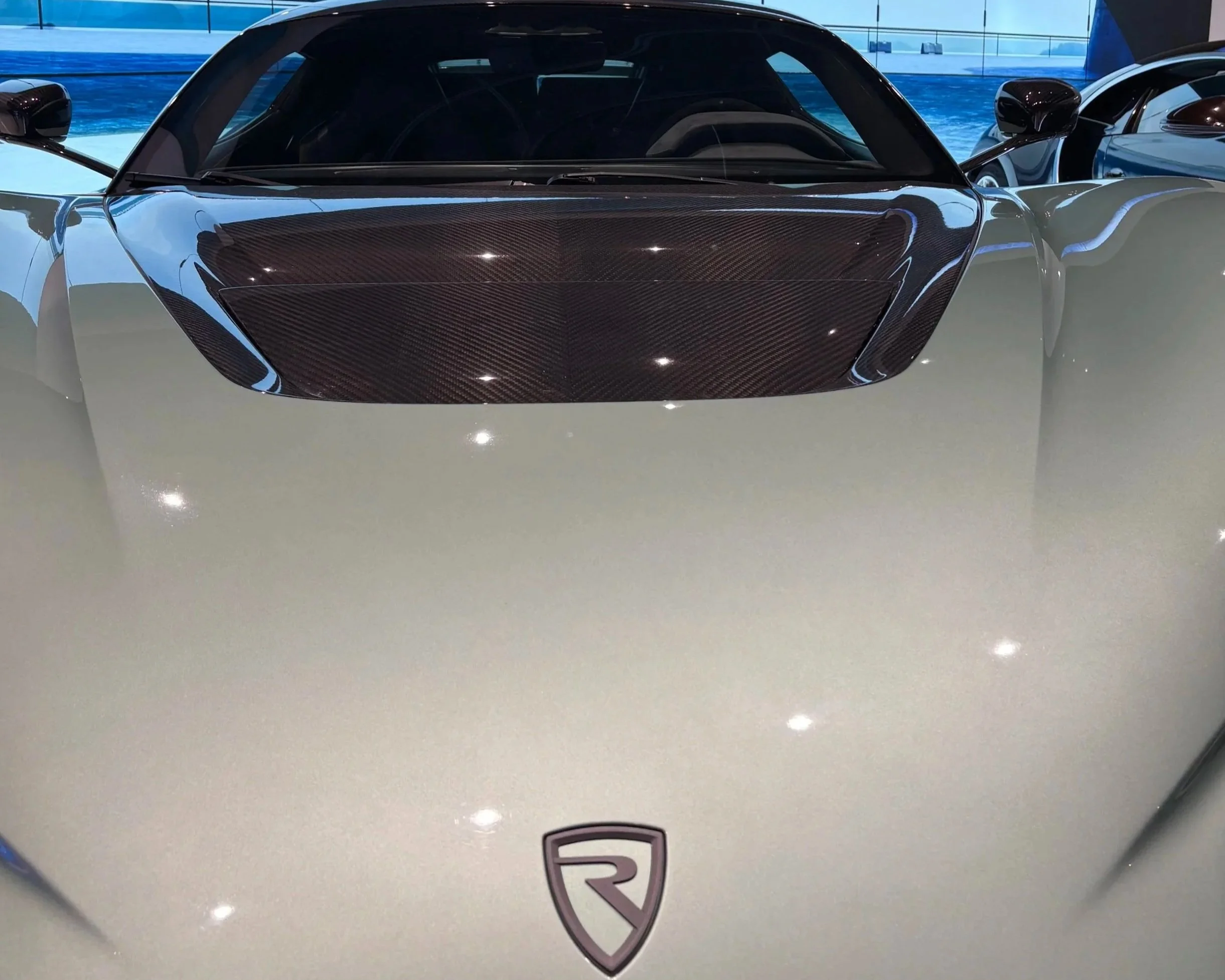
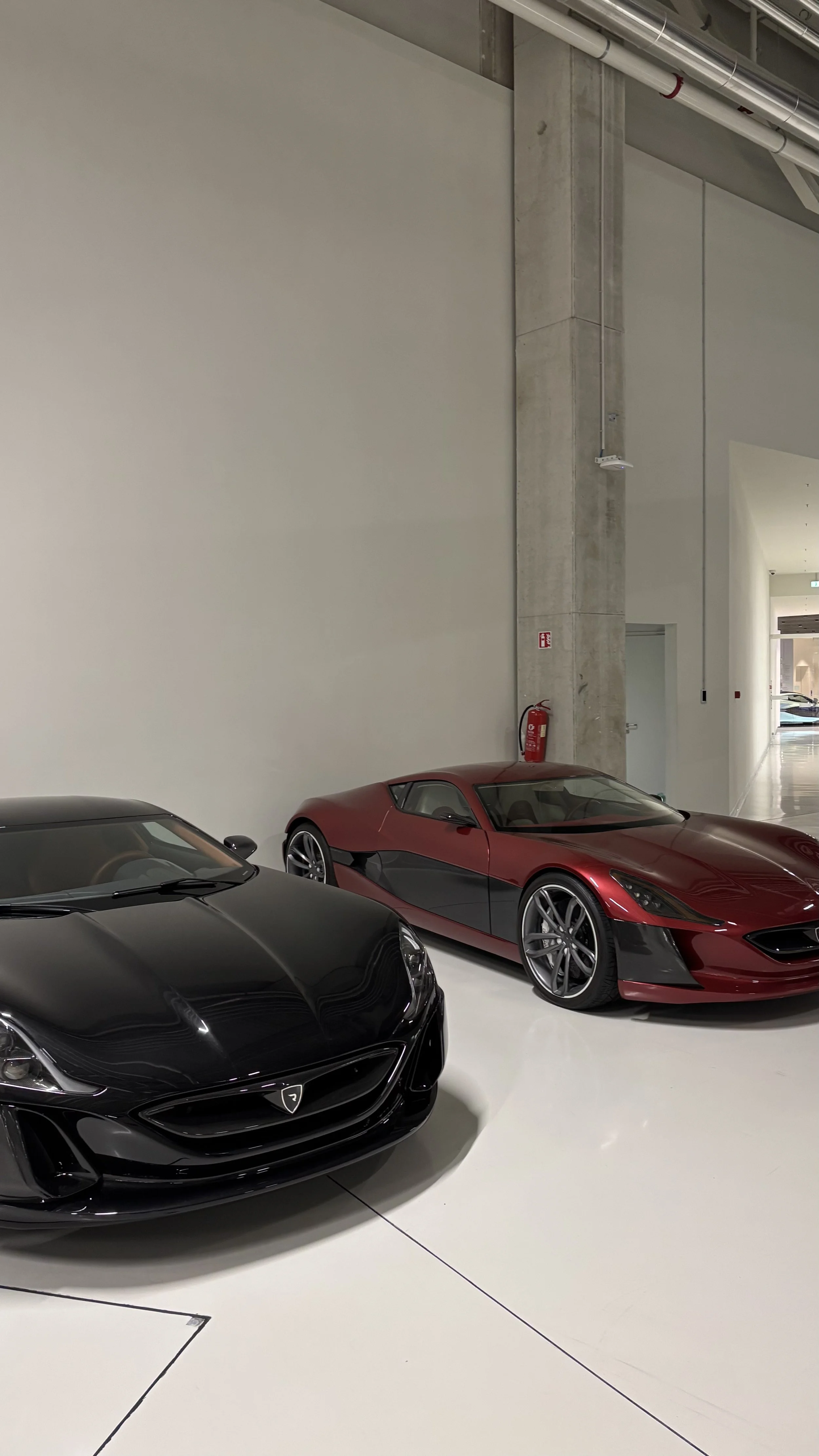
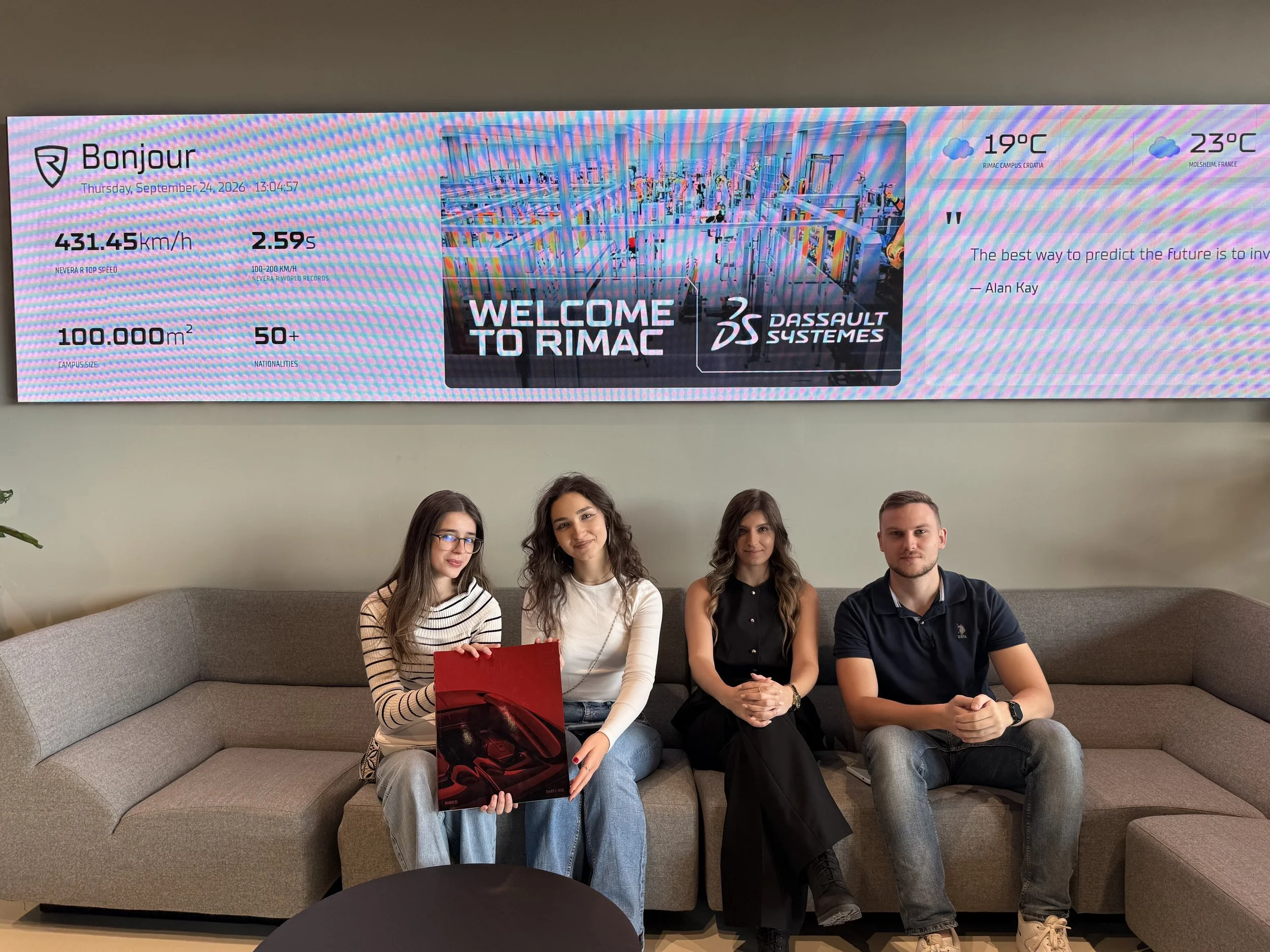
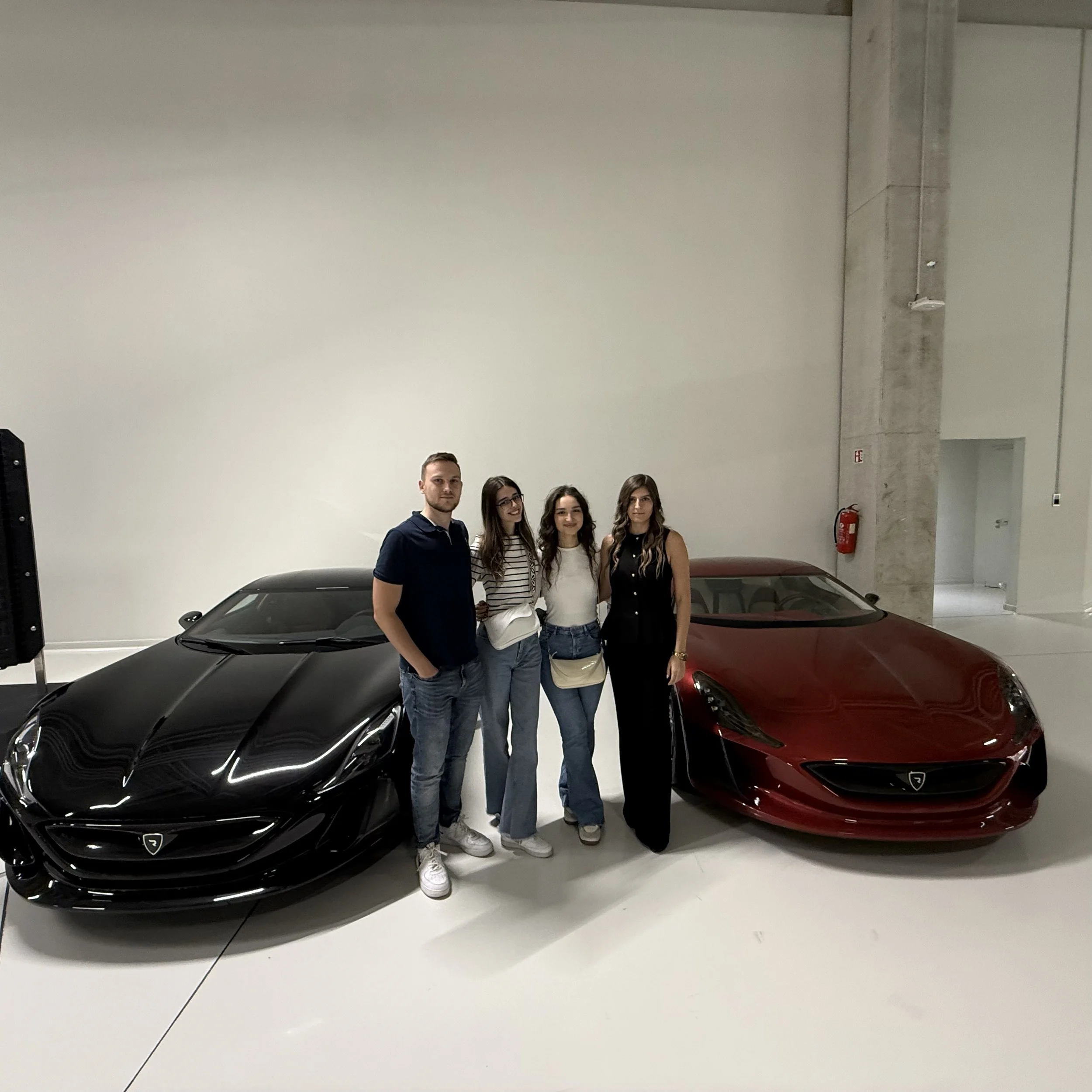
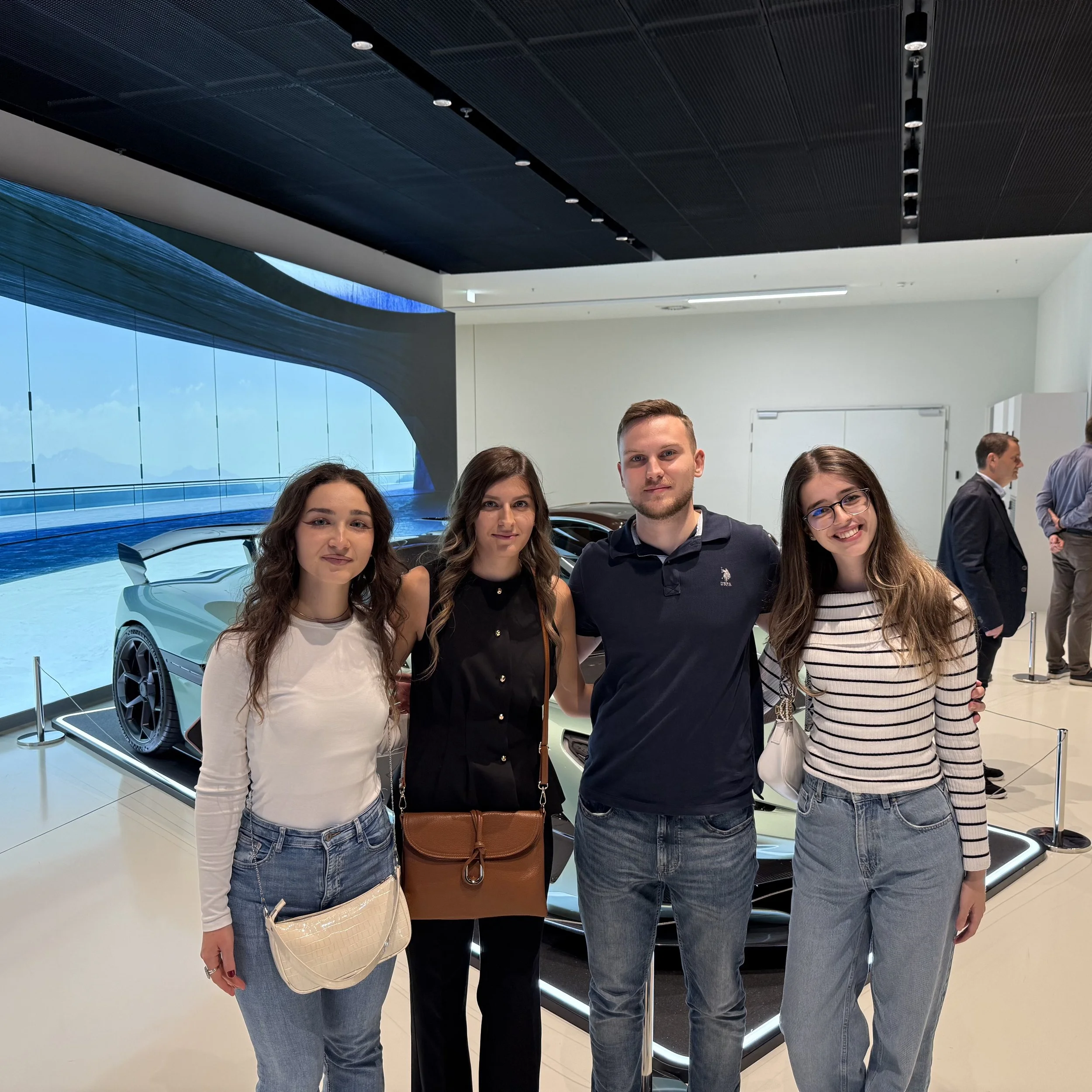
On 24 September 2026, four members of the BH Futures Foundation community visited Rimac in Zagreb, gaining an opportunity to step inside one of the region’s most recognizable technology and automotive companies and see how engineering, software, advanced technology, and meticulous craftsmanship come together.
BHFF Alumnae Aiša Bečić and Amina Bajramović, BHFF Alumnus Dino Burić, and BHFF Senior Fellow Scholar Sara Habibija took part in the company visit, gaining a closer look at Rimac’s production processes and the wide range of roles involved in creating some of the world’s most advanced electric vehicles.
From Engineering to the Finished Vehicle
The visit offered insight into the different stages involved in bringing a vehicle from design and planning to a finished and tested product.
For Aiša Bečić, who has a strong personal interest in cars and hopes to build a career in the automotive industry, the experience was particularly meaningful. Seeing the factory in person allowed her to follow the process from the assembly of exterior components and vehicle testing to the customization of interiors.
One detail that especially stood out to her was that the Nevera is assembled entirely by hand, highlighting the level of precision and craftsmanship involved in its production.
The visit also gave Aiša an opportunity to see the production of battery systems, an area that further demonstrated the breadth of Rimac’s engineering work.
For her, the experience was also inspiring on a personal level. Seeing how Mate Rimac, someone from the region, built a globally recognized company reinforced the idea that ambitious technological and engineering projects can emerge from Southeast Europe and reach a global audience.
Where Technology Meets Automotive Engineering
For Amina Bajramović, the visit provided a striking example of how technology can transform and support an entire industry.
Walking through the production facility, she was impressed by how every stage involves specialized people working together to move a Nevera from an initial design and concept toward final testing.
Technology is integrated throughout the process, from automated operations to software development. This offered Amina a practical example of how broadly IT skills can be applied outside traditional technology companies — particularly in the automotive industry, where software and engineering increasingly work hand in hand.
The experience also changed the way she viewed advanced manufacturing. What can sometimes appear like something from a science-fiction or Hollywood film is, in fact, taking place much closer to home.
The Importance of Human Expertise
For Dino Burić, one of the most interesting aspects of the visit was Rimac’s approach to quality control.
Despite the highly advanced technological environment, some inspections are still performed using the human eye. For Dino, this was a powerful reminder that technological advancement does not eliminate the importance of human expertise.
Instead, the production process demonstrates how advanced technology and human precision can complement one another.
The combination of engineering, automation, software, and human judgment showed how even highly sophisticated production systems depend on people with specialized knowledge and attention to detail.
Attention to Every Detail
Sara Habibija was particularly impressed by the diversity of roles involved in the production process.
From engineers and administrative staff to employees responsible for painting individual components, each role contributes to the final product. She was especially struck by the amount of planning and preparation that takes place before production begins, as well as the extensive quality control applied to the finished vehicle.
For Sara, whose field involves significant emphasis on planning and business control, this attention to even the smallest parts of the process was especially relevant.
The experience demonstrated how excellence is built through countless individual decisions and checks — and how a high level of care can come from people who genuinely value the work they are doing.
A Regional Success Story
Beyond the technology and production processes, the visit offered another important perspective: the possibility of building globally recognized innovation from the region.
For Aiša, seeing Rimac’s development firsthand was particularly motivating because of its connection to her own aspirations in the automotive industry. The company represented not only technological achievement, but also an example of what can happen when ambitious ideas, engineering expertise, and persistence are combined.
For the BHFF community, experiences like this create opportunities to connect academic and professional interests with real-world examples.
Connecting Young Talent With Industry
The Rimac company visit brought together different interests across the BHFF community — from automotive engineering and IT to business, planning, and technology.
For Aiša, Amina, Dino, and Sara, the experience offered a chance to observe a highly advanced working environment, learn from its processes, and consider how their own skills and interests could translate into different industries.
Their visit to Rimac is another example of how BHFF creates opportunities for its Scholars and Alumni to step outside the classroom, explore leading organizations, and gain a clearer understanding of the professional possibilities available to them.
For a car enthusiast, a technology-oriented student, a software and engineering professional, or someone interested in business processes, the visit offered the same essential lesson: innovation is never the work of a single discipline. It is built through the collaboration of people, technology, planning, precision, and a commitment to excellence.