
Next-Gen World Builders – Engineering a Life Across Two Worlds
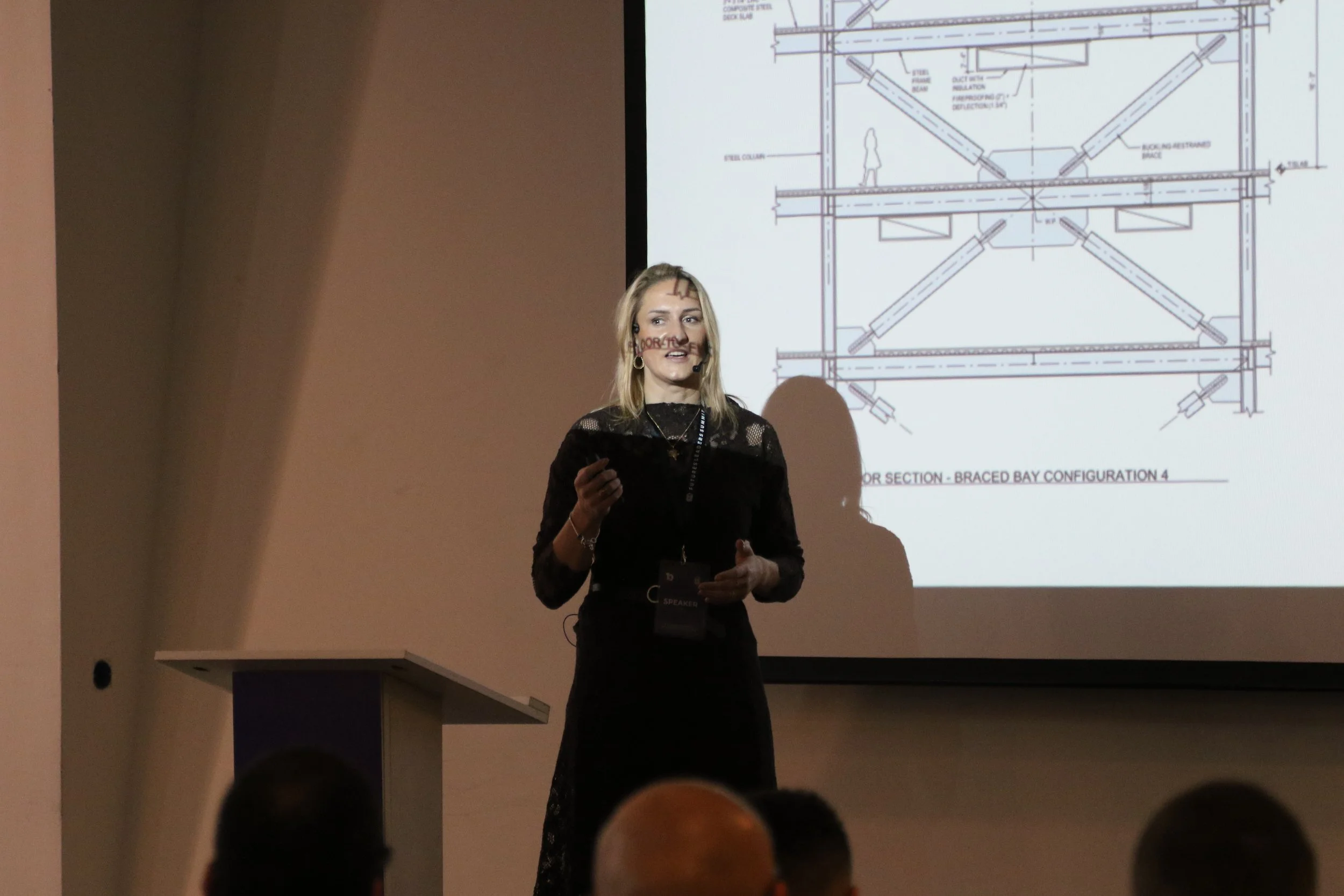
Speaker: Nerma Čaluk
What does it mean to build across worlds—geographical, professional, and conceptual? In this session, Nerma Čaluk explores what it takes to engineer a life that bridges continents, disciplines, and ways of thinking, while staying grounded in strong fundamentals.
Tracing a path from early beginnings in Bosnia and Herzegovina to professional practice and research in the United States, this talk offers a personal and professional perspective on what it means to become a next-generation world builder.
From Foundations to Frontiers
At the core of this presentation is the idea that strong foundations enable exploration. Nerma reflects on how a solid grounding in engineering principles made it possible to move confidently across academic environments and real-world projects, from structural design on Earth to research at the intersection of terrestrial and space-oriented engineering.
Rather than viewing disciplines as silos, the session highlights how transferable skills—systems thinking, problem-solving, and analytical rigor—allow engineers to operate across diverse and evolving contexts.
Adaptability as an Engineering Skill
Engineering a career across borders requires more than technical knowledge. Adaptability, curiosity, and openness to uncertainty emerge as defining skills for navigating new systems, cultures, and professional standards.
Through selected academic and professional projects, Nerma illustrates how adaptability is not a compromise of identity, but a strength that enables growth, innovation, and long-term impact.
Building for the Future, at Home and Abroad
This session speaks directly to young professionals and students who aspire to build meaningful careers beyond traditional boundaries. Whether contributing locally or internationally, next-generation builders must combine technical excellence with global perspective.
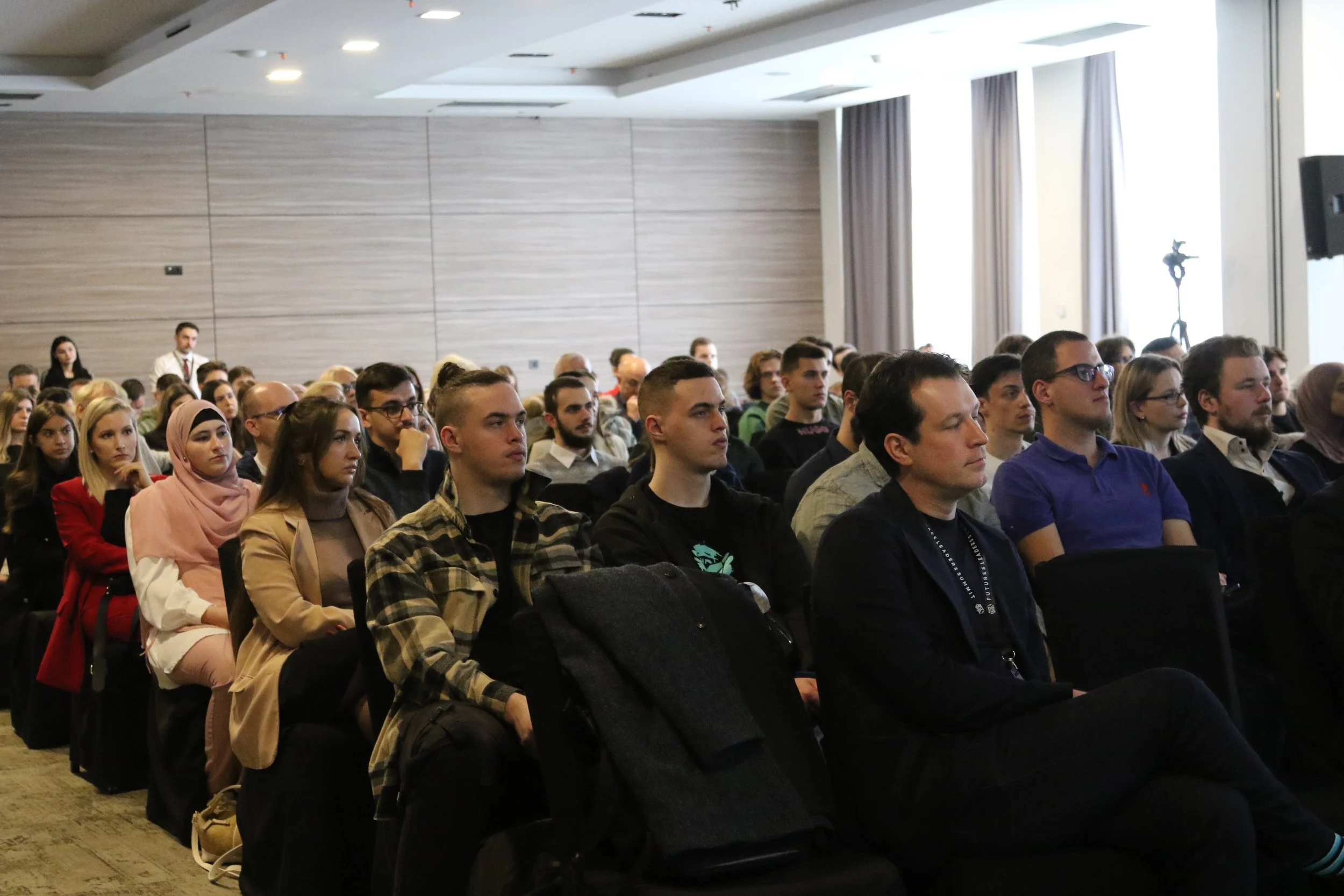
At Futures Leaders Summit, Nerma Čaluk invites the audience to reimagine what it means to build—not only structures, but careers, communities, and futures—across two worlds.