
Foundations of the Future: Team Science Instead of Selfish Science
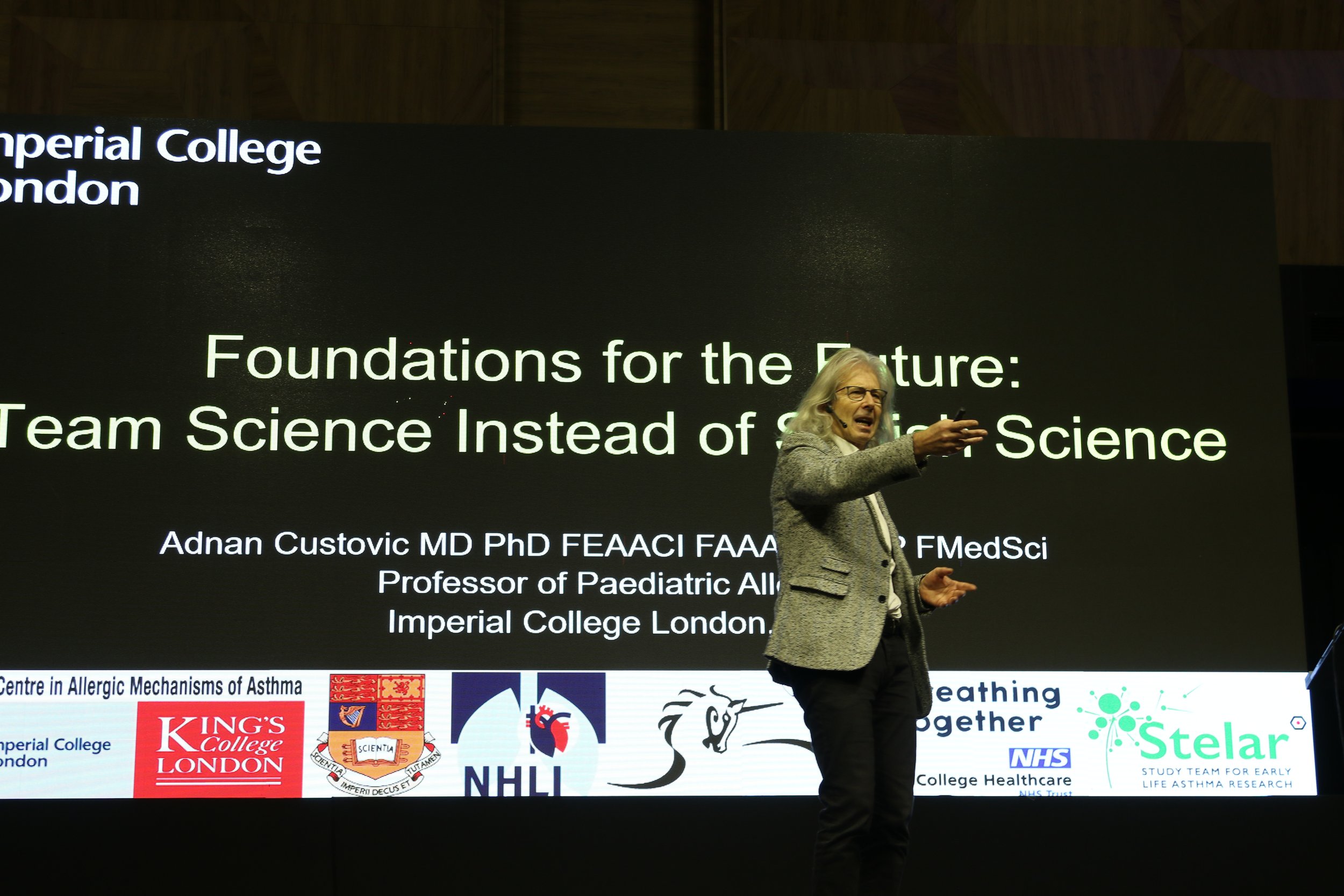
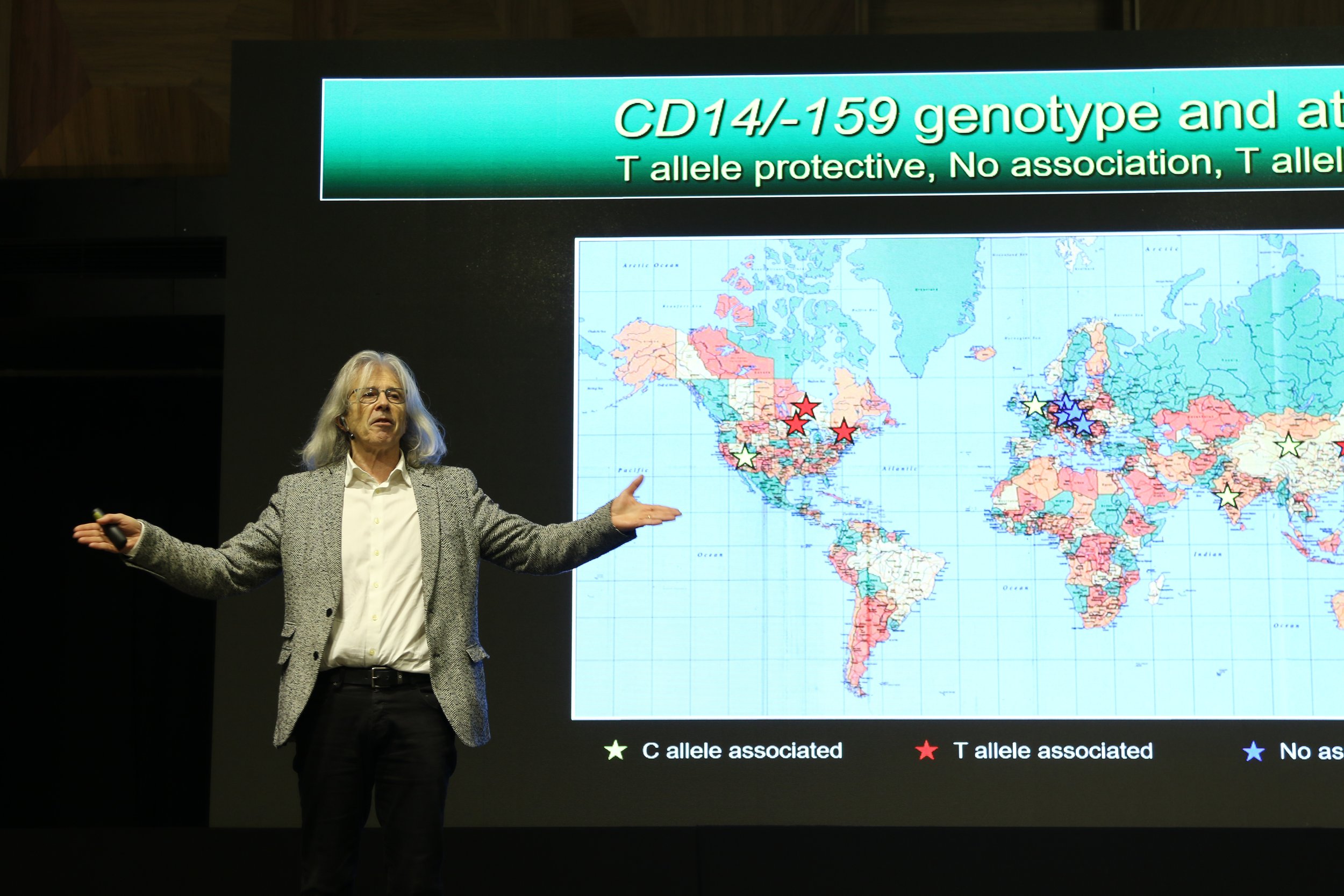
Keynote Speaker: Prof. Adnan Čustović
At the Futures Leaders Summit, Professor Adnan Čustović delivers a keynote that challenges not only how we understand asthma, but how modern science itself should be conducted.
In his lecture, “Foundations of the Future: Team Science Instead of Selfish Science,” Prof. Čustović argues that one of the most urgent priorities in respiratory medicine is understanding the determinants and mechanisms of distinct asthma subtypes. While asthma is often treated as a single disease, mounting evidence shows it is a heterogeneous syndrome — a realization that must underpin the transition toward personalised medicine.
Prof. Čustović outlines how birth cohort studies, patient-based research, randomized controlled trials, and mechanistic studies using human tissue and animal models collectively generate powerful big data ecosystems. These integrated datasets form the foundation for a paradigm shift — enabling clinicians and researchers to move beyond symptom- and medication-based definitions toward a mechanism-driven taxonomy of asthma and wheezing disorders.
However, scientific advancement alone is not enough. A central message of this keynote is that solving complex diseases like asthma requires a radical transformation of the research culture itself. Prof. Custovic advocates for an integrative approach where clinicians, statisticians, computer scientists, geneticists, physicists, basic scientists, and epidemiologists collaborate as equal partners. This model, known as “team science,” replaces traditional, siloed, and competitive research structures with genuine interdisciplinary cooperation.
By challenging the dominance of “selfish science” — defined by individual recognition, isolated leadership, and fragmented efforts — this keynote offers a compelling vision of how collective intelligence can accelerate discovery, improve patient outcomes, and shape the future of medicine.
Prof. Custovic’s talk is both a scientific roadmap and a call to action, inspiring the next generation of leaders to build research ecosystems grounded in collaboration, openness, and shared purpose.